Reviewed and updated August 15, 2026. Always follow the care label attached to your uniform and any current instructions issued by your service or unit.
Army Combat Uniforms require more careful laundering than ordinary clothing. The wrong detergent, bleach, starch, dry-cleaning process, or excessive heat can fade the camouflage, damage the fabric, or interfere with treatments applied to the uniform.
Quick answer: Empty the pockets, secure the closures, turn the uniform inside out, and wash it in cold water with a mild detergent that contains no bleach or optical brighteners. Do not use starch or have the uniform dry-cleaned. Tumble dry on low heat—no higher than 130°F when the garment label permits—or place it on a rustproof hanger to drip dry. Never wring or twist it.
Are OCPs and ACUs the Same Thing?
Not exactly. The Army Combat Uniform (ACU) is the garment, while the Operational Camouflage Pattern (OCP) is the camouflage pattern printed on it. However, service members commonly call the complete uniform “OCPs.”
This guide primarily covers the standard Army Combat Uniform in the OCP pattern. Hot-weather uniforms, flame-resistant uniforms, combat shirts, flight uniforms, and garments issued by another military branch can have different care requirements. The label inside the individual garment should always take priority.
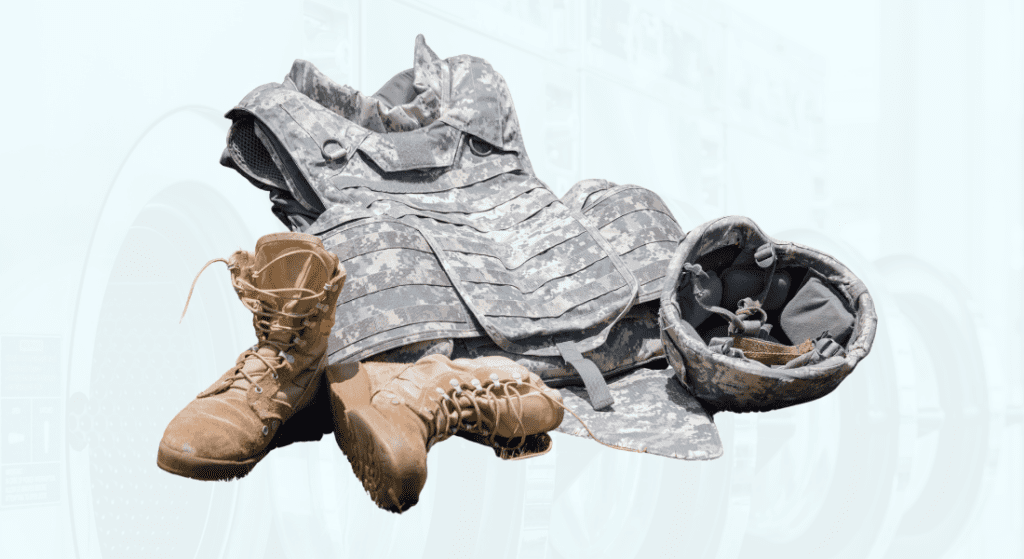
OCP Washing Instructions at a Glance
| Care step | Recommended approach |
|---|---|
| Water temperature | Cold water, unless the garment label directs otherwise |
| Detergent | Mild detergent without bleach or optical brighteners |
| Wash cycle | Use the cycle specified on the label; avoid unnecessary heavy agitation |
| Drying | Tumble dry on low heat, not exceeding 130°F, or drip dry on a rustproof hanger |
| Avoid | Bleach, optical brighteners, starch, dry cleaning, steam pressing, wringing, and high heat |
How to Wash OCPs Step by Step
1. Read the Uniform’s Care Label
Read the label before using a washer, stain remover, detergent additive, or dryer. Issued garments can use different fabrics and treatments, so instructions for one uniform should not automatically be applied to another.
2. Empty Every Pocket
Check the chest, sleeve, hip, and cargo pockets. Remove pens, paper, identification cards, ear protection, tools, and other objects that could leak, tear the fabric, or damage the washer.
3. Prepare the Closures
Remove detachable items when required by their care instructions. Secure zippers, buttons, and hook-and-loop closures so they are less likely to catch on other areas of the uniform.
4. Turn the Coat and Trousers Inside Out
Turning OCPs inside out reduces direct abrasion against the printed exterior. This can help limit premature fading and wear during repeated washing.
5. Treat Visible Soil Carefully
Brush off dried mud before putting the uniform in the machine. For a small washable stain, apply a limited amount of the same label-compatible detergent you plan to use in the load. Work it in gently and avoid aggressive scrubbing.
Do not automatically use chlorine bleach, oxygen bleach, whitening powders, or a general-purpose stain remover. A product described as “color-safe” can still contain ingredients that are not appropriate for a treated uniform.
6. Use Cold Water
Wash standard ACU/OCP garments in cold water unless their labels give different instructions. Hot water can accelerate fading and may increase the possibility of shrinkage or damage to garment treatments.
7. Add the Correct Amount of Mild Detergent
Use only the amount recommended for the washer and load size. Too much detergent does not make the uniform cleaner. It can leave residue, cause inadequate rinsing, and trap odor in the fabric.
8. Select the Label-Approved Cycle
A normal, permanent-press, or gentle cycle may be appropriate depending on the particular garment label and the amount of soil. Avoid using the most aggressive cycle simply because the uniform is field-worn. Heavy agitation can increase abrasion without correcting a detergent or loading problem.
9. Give the Uniform Room to Move
Do not pack the washer tightly. The uniform needs enough water movement to release soil and rinse away detergent. If necessary, divide a large military laundry load into separate cycles.
10. Remove the Uniform Promptly
Take the uniform out when the cycle finishes. Leaving damp OCPs compressed in a washer encourages wrinkles and stale odors.
What Is the Best Detergent for Military Uniforms?
The best detergent for a standard Army Combat Uniform is a mild detergent that contains no bleach or optical brighteners. The formula matters more than whether the detergent is a liquid, powder, pod, or a familiar brand.
Check the current product label or the manufacturer’s ingredient information for terms such as:
- Optical brighteners
- Fluorescent whitening agents
- Fabric whitener or brightening technology
- Chlorine bleach
- Non-chlorine or oxygen bleach
- Built-in fabric softener
Do not depend entirely on old online lists of “military-safe” detergent brands. Manufacturers can change product formulas while keeping the same brand name. When the ingredients are unclear, contact the manufacturer or choose another clearly labeled product.
A fragrance-free or dye-free detergent can be useful for people with sensitivities, but those descriptions alone do not prove that a detergent is free of optical brighteners or bleach. Read our general guide on how to choose laundry detergent for more help understanding detergent labels.
Why Should You Avoid Optical Brighteners?
Optical brighteners are additives that make ordinary fabrics appear brighter by changing how they reflect light. Published U.S. Army uniform-care guidance instructs soldiers to use a mild detergent containing no optical brighteners or bleach.
Rather than promising that a particular washing method will make a uniform “pass” an NIR test, the accurate approach is to follow the garment label and current military instructions. Home laundering cannot verify or restore a uniform’s technical performance after it has been altered or damaged.
How to Dry OCPs
Check the garment label first. Published Army guidance for the standard combat uniform permits tumble drying on low heat, not exceeding 130°F. Remove the uniform immediately after drying and fold it flat or place it on a rustproof hanger.
You can also drip dry the uniform on a rustproof hanger. Do not wring or twist wet OCPs, because that can distort the fabric and create difficult creases.
- Use low heat only when machine drying is permitted.
- Do not use high heat to make the uniform dry faster.
- Remove the uniform promptly when the dryer stops.
- Use a rustproof hanger when drip drying.
- Do not wring or tightly twist the fabric.
Do OCPs Shrink in the Wash?
OCP garments can experience some change in fit, particularly when exposed to excessive heat or washed contrary to their care labels. The fabric blend and construction vary between standard, hot-weather, and specialized uniforms, so there is no single shrinkage percentage that applies to every garment.
To reduce the risk, use cold water and low dryer heat, or hang dry when permitted. Do not deliberately use hot water or high heat to shrink an oversized uniform. That can cause uneven shrinkage, fading, or permanent damage.
Can You Wash OCPs With Other Clothes?
OCPs can sometimes be washed with other colorfast garments that require the same cold-water cycle and the same approved detergent. However, a dedicated uniform load gives you better control over detergents, additives, lint, and color transfer.
Do not wash OCPs with:
- White or very light clothing
- New garments that may release dye
- Lint-producing towels or blankets
- Loads using bleach, brighteners, or fabric softener
- Clothing contaminated with chemicals, fuel, or unknown substances
Should You Use Fabric Softener or Dryer Sheets?
Unless the garment label specifically permits them, skip fabric softener and dryer sheets. These products can leave a coating on fibers and are unnecessary for cleaning the uniform. Never substitute fabric softener for detergent.
If the uniform feels stiff or retains odor, first check for detergent overdosing, an overloaded washer, or incomplete rinsing. Using the correct detergent amount and an additional rinse is generally more useful than covering the fabric with fragrance.
Can You Bleach, Starch, Iron, or Dry-Clean OCPs?
- Bleach: Do not use bleach when the uniform instructions prohibit it. This includes products marketed as whitening or color-safe bleach.
- Starch or sizing: Do not starch the standard Army Combat Uniform.
- Dry cleaning: Published Army guidance does not authorize dry cleaning for the standard combat uniform.
- Steam pressing: Avoid steam-press processes that can adversely affect uniform treatments and durability.
- Ironing: Check the garment label and avoid applying heat to hook-and-loop areas or treated components. Do not create permanent creases unless current guidance specifically permits the process.
What If an OCP Uniform Still Smells After Washing?
Persistent odor often comes from trapped soil, excessive detergent, an overloaded washer, or leaving the garment damp for too long. Before adding stronger chemicals:
- Wash the uniform with enough room in the machine.
- Measure the detergent instead of estimating.
- Use an extra rinse if detergent residue is suspected.
- Remove the uniform promptly after washing.
- Allow it to dry completely before storing it.
If the uniform was exposed to fuel, chemicals, bodily fluids, mold, or another hazardous substance, do not experiment with household mixtures. Follow the applicable safety, unit, and replacement procedures.
OCP Uniforms and TA-50 Gear Require Different Care
Do not apply uniform-washing instructions to every piece of TA-50 or CIF gear. Rucksacks, plate carriers, protective inserts, helmet components, packs, straps, and other issued equipment can contain coatings, padding, hardware, or materials that should not go into a conventional washing machine.
Check the label or applicable technical guidance for each item. Never machine-wash armor plates, electronic components, or equipment whose instructions prohibit immersion.
For field equipment, see our guides on how to clean TA-50 gear correctly and the complete TA-50 cleaning checklist.
Need military laundry support near Fort Campbell? The Dutchman’s Laundry is located at 551 Dover Road in Clarksville, TN. Soldiers and military families can use our self-service laundromat or contact us about TA-50 army gear cleaning. Please tell our team about specialized or treated items and provide their care instructions before cleaning.
Frequently Asked Questions About Washing OCPs
What washer setting should I use for OCPs?
Use cold water and the cycle specified on the garment label. Avoid unnecessary hot water and aggressive agitation.
Can I wash OCPs in a regular washing machine?
Standard machine-washable OCP garments can generally be cleaned in a regular washer when you follow their care labels. Do not overload the machine, and do not assume that TA-50 gear can be washed the same way.
Should I turn OCPs inside out?
Yes. Turning the coat and trousers inside out helps reduce abrasion against the camouflage exterior during washing.
Can I use ordinary detergent on OCPs?
Only when the detergent is mild and its current formula contains no bleach or optical brighteners. Do not assume that every version of a familiar detergent is suitable.
Can I use OxiClean on OCPs?
Do not use it automatically. Many oxygen-based stain removers function as non-chlorine bleach. Follow the uniform label and avoid any bleaching product when bleach is prohibited.
Can I put OCPs in the dryer?
Standard Army guidance permits low-heat tumble drying up to 130°F, but the label on your specific garment controls. Remove it promptly, or drip dry it on a rustproof hanger.
How often should OCPs be washed?
Wash them when they are soiled, have persistent odor, or require laundering for wear. Proper washing is safer than allowing sweat and soil to remain in the fabric, but unnecessary rewashing can increase normal wear.
Are the instructions the same for Air Force OCPs?
The basic care approach may overlap, but Army, Air Force, Space Force, hot-weather, flame-resistant, and specialty garments can have different requirements. Follow the label attached to your uniform and current service-specific guidance.
Uniform-Care Reference
The laundering directions in this guide are based on the garment-first approach and align with published U.S. Army combat-uniform care guidance: no starch or dry cleaning, cold water, mild detergent without bleach or optical brighteners, and low-heat drying not exceeding 130°F. Always defer to the current label and instructions for your issued garment.
Written by
TDL Team
The laundry professionals behind The Dutchman’s Laundry in Clarksville, TN—family-owned since 2015. We share practical laundry guidance based on the problems our team handles every day.