Updated August 15, 2026
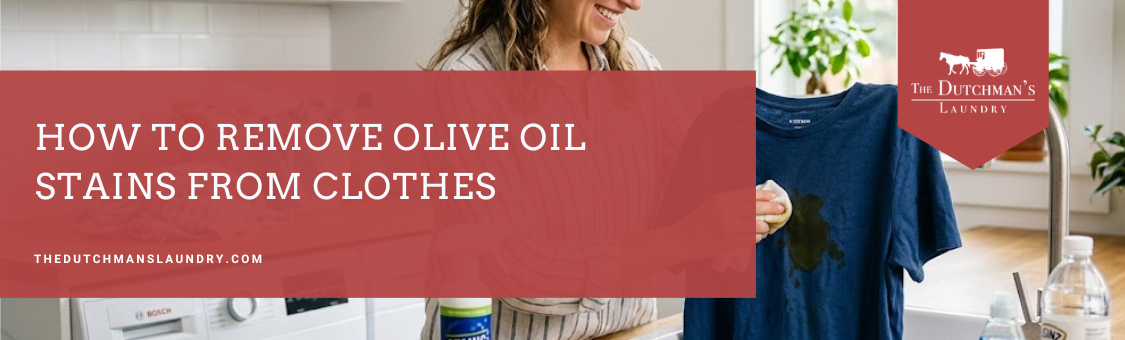
If cooking oil, salad dressing, butter, or another greasy substance lands on your clothes, you may be able to reduce the stain before you have access to a washing machine. The safest no-wash approach is to blot away excess oil, use an absorbent powder, and carefully spot-treat washable fabric.
Quick answer:
Blot the oil without rubbing, cover the spot with cornstarch or baking soda, let the powder absorb the oil, and brush it away. On washable cotton or synthetic fabric, apply a very small amount of clear grease-cutting dish soap, then blot it out thoroughly with a damp cloth. Air-dry the garment and wash it properly as soon as possible.
Important: “Without washing” means immediate spot treatment, not that laundering will never be needed. Oil can remain inside fabric even when the visible mark has faded. Proper washing is usually necessary for complete stain and residue removal.
Table of Contents
ToggleWhat You Need
- A clean white cloth or plain white paper towel
- A spoon, dull knife, or plastic card for removing solids
- Cornstarch or baking soda
- A soft brush or clean, soft toothbrush
- Clear grease-cutting liquid dish soap for washable fabrics
- Clean water
- A dry towel to place behind the stained area
Check the garment’s care label before applying water or cleaning products. If it says dry-clean only, limit home treatment to careful blotting and an absorbent powder, then take the garment to a professional cleaner.
How to Remove a Fresh Oil Stain Without a Washer
Step 1: Remove Excess Oil
If food or another solid substance remains on the garment, lift it away with a spoon, dull knife, or plastic card. Work carefully so you do not spread the oil beyond the original spot.
Place a clean white cloth or paper towel over the stain and press gently. Blot from the outside edge toward the center. Do not rub, scrub, or wipe back and forth because that can spread the oil and push it further into the fibers.
Step 2: Place a Towel Behind the Stain
If possible, place a folded white towel behind the stained section. This helps prevent oil and cleaning solution from transferring through the garment to another layer of fabric.
Do not use a colored towel unless you know it is colorfast. Moisture and spot-cleaning products can sometimes transfer dye from the towel onto the garment.
Step 3: Cover the Stain With an Absorbent Powder
Cover the oily area with cornstarch or baking soda. The powder may draw some of the oil out of the fabric before you apply a wet treatment.
- Apply enough powder to cover the entire stained area.
- Leave it undisturbed for at least 30 minutes.
- For a larger or heavily saturated spot, leave it longer when the fabric permits.
- Gently brush or shake away the powder.
- Apply fresh powder and repeat if it quickly becomes oily or clumped.
Avoid grinding the powder into delicate fibers. Brush it away gently after it has absorbed the oil.
Step 4: Spot-Treat Washable Fabric
For machine-washable cotton and many synthetic fabrics, a small amount of clear grease-cutting dish soap can help loosen the remaining oil.
- Test the soap on an inconspicuous seam or inside hem.
- Apply one or two small drops to the oily area.
- Gently work it into the spot with a fingertip or soft brush.
- Let it remain for approximately 5–10 minutes.
- Blot repeatedly with a clean, damp cloth.
- Continue blotting with clean sections of the cloth until the soap is removed.
Use only a small amount. Too much dish soap can be difficult to remove without thoroughly rinsing the garment.
Washer warning: Do not pour dishwashing liquid directly into a washing machine. It can produce excessive suds. If you later machine-wash the garment, rinse out the spot-treatment soap thoroughly first.
Step 5: Air-Dry and Inspect
Allow the treated area to air-dry completely. Do not use a hair dryer, iron, radiator, or clothes dryer. Heat can make a remaining stain harder to remove, and oily residue should not be exposed to high dryer heat.
Oil stains can appear to disappear while fabric is damp and return after drying. Inspect the garment in good light once it is fully dry.
Quick No-Wash Treatment by Fabric Type
| Fabric | What to Do | What to Avoid |
|---|---|---|
| Cotton | Blot, apply absorbent powder, and spot-treat with a tested clear dish soap or liquid detergent | Rubbing and dryer heat before the stain is gone |
| Polyester and washable synthetics | Blot and spot-test a grease-cutting treatment; synthetic fibers may hold oily stains | High heat and untested solvents |
| Denim | Use absorbent powder followed by a color-tested spot treatment | Aggressive scrubbing that can lighten the denim |
| Silk or wool | Blot carefully, use an absorbent powder, and consult a professional cleaner | Dish soap, aggressive brushing, soaking, and heat |
| Suede | Blot, apply cornstarch, allow it to absorb the oil, and brush gently with a suede-safe brush | Saturating the material with water |
| Leather | Blot and follow the item manufacturer’s cleaning instructions | Household detergents or soaking |
| Dry-clean-only clothing | Blot, use powder cautiously, and tell the cleaner what caused the stain | Water-based home treatment unless the label permits it |
How to Handle an Oil Stain While Away From Home
If you are at work, a restaurant, school, or traveling, focus on limiting the damage until you can treat the garment properly.
- Lift away any food without smearing it.
- Blot the oil using a clean white napkin or cloth.
- Place cornstarch or baking soda on the stain if available.
- Keep the treated section away from other parts of the garment.
- Do not iron or expose the spot to direct heat.
- Perform a complete fabric-safe treatment when you return home.
A portable stain-removal wipe or pen may help if its label specifically covers oily or greasy stains. Check the garment and product instructions first. Some on-the-go stain pens are designed primarily for water-based food and beverage stains rather than grease.
Can Dish Soap Remove Oil Stains From Clothes?
Clear liquid dish soap can be useful for spot-treating washable cotton and synthetic fabric because it is formulated to cut through grease. It should still be color-tested, used sparingly, and removed thoroughly.
Dish soap is not appropriate for every fabric. Avoid applying it automatically to silk, wool, leather, suede, dry-clean-only garments, or fabrics with unstable dyes and specialty finishes.
If you plan to machine-wash the item afterward, rinse out the dish soap before putting the garment in the washer. This reduces the risk of excessive suds.
Does Baking Soda Remove Oil Stains?
Baking soda can absorb some surface oil, especially when the stain is fresh. It is most useful as the absorption step before applying a detergent-based treatment.
It may not completely remove oil that has penetrated deeply into the fibers. If the powder continues to become discolored or clumped, brush it away and repeat with fresh powder before laundering the garment.
Can Cornstarch Absorb Cooking Oil?
Yes. Cornstarch is an absorbent powder that can help pull fresh cooking oil away from the surface of fabric. Cover the spot, allow sufficient contact time, and gently brush the powder away.
Like baking soda, cornstarch does not replace the final cleaning step. Oil may remain in the fabric even when the visible mark becomes lighter.
Does Vinegar Remove Oil From Clothes?
Vinegar is not the best first treatment for a grease or cooking-oil stain. Oil responds more directly to absorption followed by a surfactant-based product such as laundry detergent or a small amount of grease-cutting dish soap on compatible washable fabric.
Adding several unrelated household products can complicate treatment and may damage the garment. Use one fabric-compatible method at a time and rinse it out before trying another product.
Can You Remove an Old Oil Stain Without Washing?
You can spot-treat an older oil stain, but complete no-wash removal becomes less likely after the oil has dried, oxidized, or passed through a heated dryer.
- Place a clean towel behind the stain.
- Apply liquid laundry detergent or a fabric-safe grease stain remover.
- Allow it to work for the label-directed time.
- Blot or rinse out the treatment as permitted by the garment label.
- Wash or hand-rinse the garment in the warmest water its care label allows.
- Air-dry and repeat if necessary.
For oil discovered after laundering, follow our complete guide on removing olive oil stains after washing.
Common Oil-Stain Mistakes to Avoid
- Rubbing instead of blotting: Rubbing spreads oil and drives it further into the material.
- Using dryer heat: Heat can make remaining discoloration more difficult to remove.
- Applying water first: Water alone does not dissolve oil and may spread the spot.
- Using excessive dish soap: Too much soap is difficult to remove without a complete rinse.
- Ignoring the care label: A method suitable for cotton may damage silk, wool, leather, or specialty fabric.
- Using colored cloths: A damp colored towel may transfer dye to the garment.
- Mixing several cleaners: Combining products does not guarantee better results and can create safety or fabric-damage risks.
- Assuming a damp stain is gone: Let the fabric air-dry before evaluating the result.
Wash the Garment When Possible
Even when the spot looks better, wash the garment when its care label permits. Pretreat any remaining mark with liquid laundry detergent or a product labeled for grease, then wash in the warmest water recommended on the care label.
Rinse out any dish soap before machine washing. Once the cycle finishes, inspect the garment and air-dry it. Do not use the dryer until you are confident the oil and treatment residue are gone.
For a more complete washing-based process, read our guide on how to get grease stains out of clothes.
Frequently Asked Questions
Can oil stains be removed without washing the entire garment?
A fresh oil stain can often be reduced through blotting, absorbent powder, and careful spot treatment. However, complete removal usually requires rinsing, handwashing, machine washing, or professional cleaning.
What is the fastest way to treat a fresh cooking-oil stain?
Lift away food, blot the oil, and immediately cover the area with cornstarch or baking soda. After the powder absorbs the oil, brush it away and spot-treat washable fabric with a tested grease-cutting product.
How long should baking soda stay on an oil stain?
Allow at least 30 minutes for a quick treatment. A larger or heavily saturated stain may benefit from longer contact time. Brush away oily powder and repeat with a fresh layer when necessary.
Can I use a hair dryer to dry the treated area?
No. Allow the area to air-dry. A hair dryer, iron, radiator, or clothes dryer can expose remaining oil to heat and may make the mark harder to remove.
What should I use on a dry-clean-only garment?
Blot excess oil and use an absorbent powder cautiously. Avoid wet treatment unless the care label specifically allows it, and take the garment to a professional cleaner as soon as practical.
Will water alone remove an oil stain?
No. Oil does not dissolve effectively in water alone. An absorbent powder and a compatible detergent-based treatment are usually more helpful.
Can I put dish soap directly in my washing machine?
No. Dishwashing liquid can create excessive suds in a clothes washer. Use only a small amount as a spot treatment and rinse it out thoroughly before machine washing.
Can an oil stain come back after it dries?
Yes. A spot may look invisible while the fabric is damp and reappear after drying. Always inspect the garment after it has completely air-dried.
Need Help With a Larger Laundry Load?
Once your garments are ready for proper laundering, The Dutchman’s Laundry offers commercial self-service washers in Clarksville for clothing, towels, linens, and larger household loads.
You can also review our drop-off wash-and-fold service. Stain removal cannot be guaranteed, so tell the attendant about any oil spots and home treatments before leaving the garment.
Visit The Dutchman’s Laundry at 551 Dover Road, Clarksville, TN 37042, or contact our team with questions about your laundry.
Sources Reviewed
- American Cleaning Institute: Stain Removal Guide
- Whirlpool: How to Get Oil and Grease Out of Clothes
- Maytag: How to Get Oil Stains Out of Clothes
- Tide: How to Remove Oil Stains
Written by
TDL Team
The laundry professionals behind The Dutchman’s Laundry in Clarksville, Tennessee—family-owned since 2015. We share practical laundry guidance based on the questions and laundry problems our team sees every day. This article was last reviewed on August 15, 2026.