Updated August 15, 2026
Quick answer: TA-50 is the traditional Army term for the individual field gear issued to a Soldier. The name comes from “Table of Allowances 50.” Today, much of this equipment is formally described as Organizational Clothing and Individual Equipment (OCIE) and is tracked on the Soldier’s clothing record.
TA-50 can include rucksacks, assault packs, load-carrying equipment, protective gear, sleep-system components, cold- and wet-weather equipment, duffel bags, pouches, and other mission-related items. It does not mean that every Soldier receives exactly 50 items.
The exact issue varies by unit, assignment, location, occupational specialty, deployment requirements, and current Army authorizations. Your clothing record—not a generic online list—is the authoritative inventory of what was issued to you.
This guide explains what TA-50 means, how it relates to OCIE and CIF, common categories of Army TA-50 gear, cleaning requirements before turn-in, and how to compare DIY and drop-off cleaning costs.
What Does TA-50 Stand for in the Army?
TA-50 traditionally refers to Table of Allowances 50, the source historically associated with individual clothing and equipment authorizations. Over time, Soldiers began using “TA-50” as a general name for their issued field gear.
An official Army article similarly describes TA-50 as the basic Organizational Clothing and Individual Equipment issued to a Soldier.
Although the term remains common, current Army systems and official documents frequently use OCIE. Therefore, “TA-50,” “TA-50 gear,” and “OCIE” may be used conversationally for overlapping groups of issued equipment.
TA-50, OCIE and CIF: What Is the Difference?
| Term | Meaning | How It Is Used |
|---|---|---|
| TA-50 | A traditional name for Army-issued individual field gear | Commonly used by Soldiers when referring to rucks, protective equipment, field gear and related issued items |
| OCIE | Organizational Clothing and Individual Equipment | The more formal term used for issued clothing and equipment recorded to a Soldier |
| CIF | Central Issue Facility | The facility that issues, exchanges, records and accepts the return of applicable OCIE |
| Clothing record | The Soldier-specific record of issued equipment | Shows the items and quantities currently associated with that Soldier |
The Army is implementing the Soldier Equipping and Asset Management system for managing OCIE. Soldiers should use their current clothing record and unit or CIF guidance when determining what must be retained, transferred or returned. Current program information is available from the Army’s SEAM resource.
What Is Included in Army TA-50 Gear?
There is no universal TA-50 list that applies to every Soldier. However, common categories may include:
- Load-carrying equipment: Rucksacks, assault packs, straps, frames, sustainment pouches and other load-bearing components
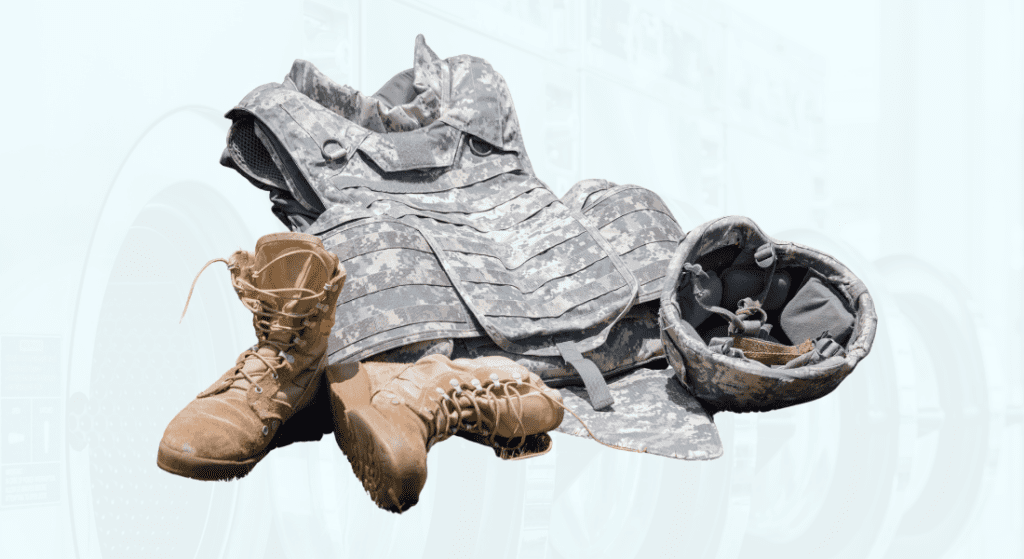
- Protective equipment: Body-armor carriers, ballistic inserts, hard armor plates, helmets and related components
- Sleep-system equipment: Approved sleeping bags, bivy covers, compression sacks and related components
- Cold- and wet-weather gear: Insulated layers, waterproof garments and other climate-specific equipment
- Field storage: Duffel bags, waterproof bags, equipment bags and pouches
- Hydration equipment: Fabric hydration carriers, reservoirs and tubes
- Utility equipment: Entrenching-tool carriers, canteen covers, knee or elbow protection and similar items
- Mission-specific equipment: Additional equipment issued for a particular unit, assignment, school or deployment
Not every item in these categories will appear on every clothing record. Some equipment may also have been designated for retention, transfer, replacement or local turn-in under newer guidance.
Use our TA-50 gear list and CIF cleaning checklist to organize your equipment, but compare it with your current clothing record before an appointment.
Who Owns TA-50 Gear?
Most TA-50 and OCIE issued through CIF remains government property unless the Army has specifically authorized the Soldier to retain or dispose of an item.
Soldiers are generally responsible for:
- Keeping issued equipment secure
- Maintaining it in serviceable condition
- Following the item’s care instructions
- Reporting lost or damaged equipment through the appropriate unit process
- Returning applicable items when directed
- Ensuring all required components are present during turn-in
Do not rely solely on an old printed checklist or a list found online. Verify your current record and ask your supply representative or CIF about any unfamiliar item, changed nomenclature or disputed quantity.
Does TA-50 Have to Be Cleaned Before CIF Turn-In?
Returned OCIE is generally expected to be clean, completely dry and free of loose dirt, debris, animal hair and objectionable odors. The exact inspection and cleaning requirements can vary by installation and item.
For Fort Campbell-specific hours, contact information and current notices, consult the official Fort Campbell Central Issue Facility page. Your current CIF instructions and each item’s care label take priority over general internet advice.
Cleaning does not resolve every turn-in problem. CIF may also examine:
- Whether the item is on your clothing record
- Whether all required components are present
- Tears, broken hardware or other damage
- Permanent markings, paint, tape or adhesive residue
- Petroleum, chemical or biological contamination
- Whether the item is completely dry
- The item’s overall serviceability
How to Prepare TA-50 for CIF Turn-In
1. Print or Review Your Current Clothing Record
Inventory against your current record before cleaning. Separate items you must return from equipment you are authorized to keep, carry forward or handle through another process.
2. Match Components to Each Item
Check straps, buckles, lids, frames, inserts, pouches and other removable components. Cleaning an incomplete item will not correct an accountability problem.
3. Empty Every Pocket and Compartment
Look inside internal sleeves, zippered pockets and small pouches. Remove personal belongings, documents, batteries, ammunition, brass, chem lights, food, field waste and other foreign objects.
4. Read the Care Label
Do not assume that all fabric-based Army gear is machine washable. Similar-looking items may have different materials, coatings, padding or care requirements.
Follow the permanent care label, technical instructions and current CIF guidance for the specific item.
5. Separate Items by Cleaning Method
Create separate groups for:
- Items approved for machine washing
- Hand-wash-only equipment
- Surface-clean-only components
- Items requiring unit, CIF or specialized guidance
6. Remove Loose Dry Soil
When permitted, use a soft brush or cloth to remove loose dust, sand and dried mud before wet cleaning. Avoid sharp tools that can cut fabric, stitching or coated surfaces.
7. Clean Only as Directed
Use the water temperature, detergent type and cleaning method stated on the label. Rinse thoroughly so detergent is not trapped in straps, seams or padding.
8. Allow Enough Drying Time
Thick webbing, padded areas, sleep-system components and multiple fabric layers can remain damp after the outside feels dry. Inspect seams, folds and interior surfaces before packing the gear.
9. Reassemble and Inspect
After everything is dry, reattach permitted components and compare the equipment with your clothing record. Give yourself time to address missed soil or missing components before your appointment.
For instructions on cleaning specific items, see our step-by-step guide to cleaning TA-50 gear.
What TA-50 Should Not Go in a Washing Machine?
Never place an item in a washer merely because it has a fabric exterior. Unless the item’s instructions specifically permit machine washing, keep the following out of an ordinary laundry load:
- Hard armor plates
- Soft ballistic inserts
- Helmets and helmet components
- Electronics, batteries, lights and cables
- Hydration reservoirs and drinking tubes
- Weapons or weapons-related accessories
- Rigid frames, stays or supports that the instructions require you to remove
- Equipment marked hand wash, surface clean or do not machine wash
- Items contaminated with fuel, solvents, hazardous chemicals or suspected CBRN substances
Some armor carriers, rucksacks and padded web equipment can be damaged by machine agitation or heat. Always check the specific label instead of applying one cleaning method to an entire TA-50 issue.
If an item has hazardous or biological contamination, follow unit safety and official turn-in procedures. Do not bring potentially hazardous equipment to an ordinary laundromat.
Can You Use Bleach on CIF Gear?
Do not use chlorine bleach on TA-50 unless the specific care label or current official instructions expressly allow it. Army equipment guides commonly prohibit chlorine bleach, caustic cleaners and solvents on nylon gear, webbing and armor-carrier materials because they can cause discoloration or material deterioration.
Avoid experimenting with strong chemicals just before turn-in. Improper cleaning can turn a soil problem into permanent damage.
How Much Does TA-50 Cleaning Cost?
There is no universal price because a TA-50 order can range from a few washable fabric items to several bulky pieces requiring separate loads and drying methods.
At The Dutchman’s Laundry, typical eligible TA-50 drop-off orders cost approximately $20–$60. Staff confirms the estimate after reviewing the items.
The price can be affected by:
- The number of eligible items
- The size and bulk of the equipment
- The amount of dirt and field grime
- The number of separate loads required
- Care-label and drying requirements
- The condition of the equipment
- Current workload and requested turnaround
The $20–$60 range is an estimate, not a guaranteed flat rate for every collection of gear.
DIY vs. Drop-Off TA-50 Cleaning
| Option | Best For | Budget Considerations |
|---|---|---|
| Home cleaning | A small number of items that are approved for the available cleaning method | No separate service fee, but household washer capacity, supplies, utilities, drying space and time must be considered |
| Self-service laundromat | Approved machine-washable items that need more capacity than a home washer provides | You pay for the necessary wash and dry cycles and remain responsible for selecting the correct method |
| Drop-off TA-50 cleaning | Multiple eligible items, bulky washable gear or a schedule that makes DIY cleaning impractical | Typical TDL orders are approximately $20–$60 after the gear is reviewed |
DIY usually has the lowest direct service cost. Drop-off service may provide better overall value when cleaning several items would require multiple cycles, a large amount of drying space or hours of hands-on work.
How to Reduce TA-50 Cleaning Costs
- Inventory first: Do not pay to clean equipment that is not part of your current turn-in requirement.
- Separate uniforms from field gear: Regular military clothing may qualify for a different laundry option.
- Remove excluded components: Take out armor, electronics, hydration reservoirs and personal items before drop-off.
- Brush off loose soil: When the care instructions permit, remove loose dry dirt before washing.
- Do not overload a washer: Overloading can cause poor cleaning and lead to repeat cycles.
- Start early: Leave time for drying, inspection and any necessary follow-up cleaning.
- Request an estimate: Have the actual gear reviewed instead of assuming every order costs the same.
TA-50 Cleaning Near Fort Campbell
The Dutchman’s Laundry provides drop-off cleaning for eligible, machine-washable fabric TA-50 and OCIE near Fort Campbell. Every item remains subject to its care label and an in-person review.
- Typical TA-50 order: Approximately $20–$60
- Standard turnaround: Approximately 24–48 hours
- Drop-off hours: Daily, 8 AM–6 PM
- Appointment: Not required
- Address: 551 Dover Rd, Clarksville, TN 37042
- Phone: (931) 896-2600
Rush service may be available depending on the order and current workload. Ask the attendant when you bring in the gear.
Before bringing your gear:
- Empty every pocket and compartment.
- Remove hard plates, soft armor inserts and electronics.
- Remove hydration reservoirs, tubes and personal belongings.
- Keep items with restrictive care labels separate.
- Tell the attendant about damaged areas or unusual contamination.
View current TA-50 cleaning details and drop-off information.
Important: A cleaning service cannot guarantee CIF acceptance. CIF personnel make the final decision, and Soldiers remain responsible for accountability, completeness, serviceability and compliance with current turn-in instructions.
TA-50 Army Gear FAQs
What is TA-50 in the Army?
TA-50 is the traditional term for the individual field clothing and equipment issued to a Soldier. Today, much of this equipment is formally called Organizational Clothing and Individual Equipment, or OCIE.
What does TA-50 stand for?
TA-50 comes from “Table of Allowances 50.” The term became a commonly used name for Army-issued individual field gear.
Does TA-50 mean 50 pieces of gear?
No. The “50” refers to the historical Table of Allowances designation, not the number of items issued.
Is TA-50 the same as OCIE?
The terms overlap, but OCIE is the more formal modern term. Soldiers still commonly use TA-50 when discussing their issued field gear.
Where can I find my official TA-50 gear list?
Review your current clothing record through the appropriate Army system and compare it with unit and CIF instructions. A general checklist can help with organization, but it does not replace your Soldier-specific record.
Do I have to clean TA-50 before CIF turn-in?
Applicable returned equipment is generally expected to be clean and completely dry. Check current local CIF instructions because inspection standards and item-specific requirements can vary.
Can all TA-50 be machine washed?
No. Some items are hand-wash-only or surface-clean-only, and armor, electronics and other components must not enter a washer. Follow the permanent care label and current official guidance for each item.
How much does professional TA-50 cleaning cost?
Typical TA-50 drop-off orders at The Dutchman’s Laundry range from approximately $20–$60. The actual estimate depends on the amount, size, condition and care requirements of the eligible gear.
How long does TA-50 cleaning take?
Standard turnaround at The Dutchman’s Laundry is generally 24–48 hours. The exact time depends on the order, care requirements and current workload.
Do I need an appointment for TA-50 cleaning?
No appointment is required at The Dutchman’s Laundry. Eligible gear can be brought to 551 Dover Rd during attended drop-off hours from 8 AM–6 PM daily.
Will professional cleaning guarantee that my TA-50 passes CIF?
No. Cleaning does not guarantee acceptance. CIF personnel determine whether equipment meets current accountability, completeness, cleanliness and serviceability requirements.
Related Military Laundry Resources
- TA-50 Gear List and CIF Cleaning Checklist
- How to Wash Army ACU and OCP Uniforms
- TA-50 and CIF Gear Cleaning Near Fort Campbell
- Self-Service Laundromat in Clarksville
Bottom Line
TA-50 is the traditional Army name for issued individual field gear, while OCIE is the more formal term commonly used today. The exact equipment on your record depends on your assignment and issue history, so your clothing record and current CIF guidance should control your turn-in preparation.
If eligible gear can be cleaned according to its care instructions, DIY may reduce direct costs. For Soldiers near Fort Campbell who have several bulky, machine-washable items or limited time, The Dutchman’s Laundry offers TA-50 drop-off cleaning with typical orders ranging from approximately $20–$60.
Written by
TDL Team
The laundry professionals behind The Dutchman’s Laundry in Clarksville, TN—family-owned since 2015. We share practical laundry guidance based on the items, stains and cleaning challenges our team handles every day.