Updated August 15, 2026
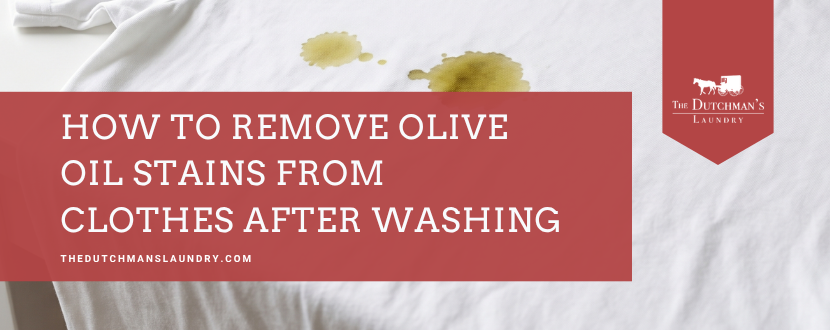
If an olive oil stain is still visible after washing, do not put the garment in the dryer. Apply a small amount of clear grease-cutting dish soap or compatible liquid laundry detergent directly to the dry stain, allow it time to loosen the oil, rinse thoroughly and wash the garment again using the warmest water permitted by its care label.
Olive oil stains that survive one wash are not necessarily permanent. However, simply running the clothing through another cycle without pretreating the concentrated oily area may not be enough.
Quick answer: How to get olive oil out of clothes after washing
- Keep the garment out of the dryer.
- Allow the stained area to air-dry so you can see the oily mark.
- If the spot still feels oily, cover it with baking soda or cornstarch for 30 minutes, then brush the powder away.
- Apply a small amount of clear grease-cutting dish soap or liquid laundry detergent.
- Gently work the product into the stain and let it sit according to its directions.
- Rinse dish soap thoroughly before placing the garment in the washer.
- Wash using the warmest water allowed by the care label.
- Air-dry and inspect. Repeat if an oily shadow remains.
Table of Contents
ToggleWhy Can Olive Oil Remain After Washing?
Olive oil is hydrophobic, meaning it does not dissolve readily in water. Laundry detergent contains surfactants that help surround and suspend oily material, but a concentrated olive oil spot may need direct pretreatment before the surfactants can remove it effectively.
The stain may survive its first wash when:
- The oil was not blotted or pretreated
- The detergent was not applied directly to the stained area
- The wash cycle was too short for the soil level
- The washer was overloaded
- The water temperature was unsuitable for the fabric or stain
- The garment was previously exposed to dryer heat
- The oily spot was not visible while the fabric was wet
A wet garment can temporarily hide an oily shadow. That is why it is important to let the area air-dry enough to inspect it before deciding whether the stain is gone.
Is This the Right Olive Oil Stain Guide?
This guide specifically covers olive oil stains that remain after washing, including old, dried or previously dryer-treated marks.
- For a fresh general cooking-oil stain, use our general oil-stain removal guide.
- For animal fat, food grease or similar stains, see how to remove grease stains from clothes.
- For automotive oil, use the separate guide to removing motor oil and automotive grease.
Check the Fabric Before Treating It
Before applying any product, read the garment’s care label and test the treatment on a hidden seam. The method below is intended for ordinary machine-washable clothing.
| Fabric or item | Starting approach | Important caution |
|---|---|---|
| Cotton shirt | Pretreat the dry stain and wash at the warmest care-label-safe temperature. | Test colored cotton before using an unfamiliar product. |
| Polyester or blend | Use a small amount of liquid detergent or clear dish soap, rinse and wash as directed. | Synthetic fibers can hold oily soil, so more than one treatment may be needed. |
| Dark pants | Test the product and use gentle finger pressure. | Aggressive brushing may leave a faded-looking spot. |
| Jeans | Pretreat the exact oily mark before washing. | Avoid hard scrubbing, especially on dark denim. |
| Wool or silk | Follow the care label or consult an appropriate professional cleaner. | Do not assume a treatment that is safe for cotton is safe for delicate fibers. |
| Leather or suede | Use a product or professional specifically approved for the material. | Do not machine-wash unless the manufacturer explicitly allows it. |
| Dry-clean-only clothing | Take the item to an appropriate professional and identify the stain. | Do not use the machine-washing method below. |
What You Will Need
- Clear grease-cutting liquid dish soap or compatible liquid laundry detergent
- Baking soda or cornstarch for optional oil absorption
- A clean white cloth
- A soft toothbrush or soft-bristle laundry brush
- Your regular laundry detergent
- Access to water at a temperature permitted by the care label
Use one stain treatment at a time. Do not mix dish soap, bleach, ammonia, vinegar or other household cleaners.
How to Remove an Olive Oil Stain After Washing
1. Do Not Put the Garment in the Dryer
If you notice the olive oil stain while transferring laundry, set the garment aside. Dryer heat can make remaining oily residue more difficult to remove.
If the clothing is wet, allow it to air-dry enough that you can see the full outline of the stain. Do not iron the area.
2. Test the Treatment
Apply a tiny amount of the intended product to a hidden seam or inside hem. Rinse it, let the test area dry and check for discoloration or texture changes.
If the product affects the fabric, stop and select a fabric-approved alternative.
3. Use an Absorbent Powder if the Area Still Feels Oily
If oil remains near the surface, place the dry garment on a flat work area and cover the stain with baking soda or cornstarch. Let the powder sit for approximately 30 minutes, then brush it away gently.
This optional step can absorb some surface oil, but it does not replace treatment with a surfactant-based cleaner.
4. Apply Dish Soap or Liquid Laundry Detergent
Apply a small amount of clear grease-cutting dish soap or compatible liquid laundry detergent directly to the dry stain.
Dish soap and detergent contain surfactants that can associate with oily residue and help disperse it in water. Avoid brightly colored dish liquids on light fabric unless you have tested them first.
5. Gently Work the Product Into the Stain
Use your fingers or a soft brush to work the cleaner into the stained fibers. Begin at the outer edge and move toward the center to limit spreading.
Do not scrub aggressively. Friction can damage delicate material, roughen the surface or create a faded area on dark clothing.
6. Allow Pretreatment Time
Follow the cleaning product’s directions for pretreatment time. If the label provides no specific time, allow a small amount of dish soap to work for approximately five to ten minutes without letting it dry onto the fabric.
Longer is not automatically better. Leaving a cleaning product on fabric for hours can cause discoloration or residue.
7. Rinse Thoroughly
Rinse the treated section according to the garment’s care instructions. This is particularly important when using dish soap because dishwashing products can create excessive suds inside a clothes washer.
Do not pour dish soap into the washing machine or its detergent dispenser.
8. Wash the Garment Again
Wash the garment with laundry detergent using the warmest water permitted by its care label. The American Cleaning Institute recommends the hottest fabric-safe water for many washable oil-based food stains, but the care label must take priority.
Select a cycle that gives the garment enough movement and cleaning time. Avoid overloading the washer.
9. Air-Dry and Inspect
Air-dry the garment and inspect it in good lighting. When fabric is wet, an oily shadow may be difficult to see.
If the stain is lighter but still present, repeat the same pretreatment process. Do not machine-dry until you are satisfied with the result.
Important: Complete removal is not guaranteed. Results depend on the fabric, age of the stain, previous dryer exposure and products already used.
How to Remove an Old or Dried Olive Oil Stain
Old olive oil stains generally need repeated, controlled treatment rather than a stronger mixture of household chemicals.
- Apply a compatible liquid laundry detergent or small amount of clear dish soap to the dry stain.
- Gently work it into the fabric.
- Allow the product’s recommended pretreatment time.
- Rinse dish soap thoroughly.
- Wash at the warmest care-label-safe temperature.
- Air-dry and inspect.
- Repeat if the stain continues to lighten and the fabric remains undamaged.
If several attempts produce no improvement, further home treatment may damage the fabric without removing the mark.
What if the Olive Oil Stain Went Through the Dryer?
An olive oil stain can sometimes improve even after dryer exposure, but it may be more difficult to remove. Treat the dry spot with a compatible surfactant-based product, wash according to the care label and air-dry while checking the result.
More than one treatment cycle may be necessary. Stop if the fabric begins to fade, weaken, pill or change texture.
Does Dish Soap Remove Olive Oil From Clothing?
Clear grease-cutting dish soap can be a practical pretreatment for many washable fabrics. Its surfactants help loosen cooking oil so it can be removed during rinsing and laundering.
Use only a small amount, test it first and rinse it thoroughly before machine washing. Dish soap is not designed for use as the detergent inside a clothes washer and can produce excessive suds.
Does Baking Soda Remove Olive Oil Stains?
Baking soda can absorb some oily material near the surface of dry fabric. It is most useful as an optional first step when the area still feels greasy.
It is not a substitute for a surfactant-based pretreatment and proper laundering. Brush the powder away before applying liquid cleaner or placing the garment in the washer.
Does Vinegar Remove Olive Oil Stains?
Vinegar is not the preferred first treatment for the oily portion of an olive oil stain. Oil is better addressed with a compatible surfactant-based product, such as liquid laundry detergent or a small amount of grease-cutting dish soap.
Do not mix vinegar with bleach, hydrogen peroxide or other cleaning chemicals.
Should You Use Bleach on an Olive Oil Stain?
Bleach is not a degreaser and should not be the primary treatment for an olive oil stain. It can fade dyes or damage incompatible materials.
If residual discoloration remains after the oil has been removed, only use a bleaching product when both the garment care label and product label permit it. Never mix bleach with dish soap or another household cleaner.
Common Olive Oil Stain Removal Mistakes
- Drying before checking: Inspect the stain after washing and before applying dryer heat.
- Washing without pretreating: Concentrated oil usually needs direct treatment.
- Pouring dish soap into the washer: It can create excessive suds.
- Using too much cleaner: More product can cause residue without improving removal.
- Scrubbing aggressively: Excess friction may damage fibers or fade dye.
- Ignoring the care label: The warmest safe temperature varies by garment.
- Mixing several products: Chemical combinations can be dangerous or damage clothing.
- Using bleach as a degreaser: Remove the oil before addressing residual color.
- Assuming one failed wash means permanent damage: A careful second treatment may still work.
When Should You Stop Treating the Stain at Home?
Stop home treatment when:
- The garment is labeled dry-clean only
- The item is made from silk, wool, leather, suede or another specialty material
- The dye transfers during testing
- The fibers begin to weaken, pill or change texture
- The garment is valuable or irreplaceable
- Repeated treatments no longer improve the stain
Tell an appropriate professional cleaner that the mark is olive oil and describe every treatment already attempted.
Frequently Asked Questions
How do you remove olive oil stains from clothes after washing?
Pretreat the dry stain with clear grease-cutting dish soap or compatible liquid laundry detergent. Gently work it into the fabric, allow the recommended pretreatment time, rinse dish soap thoroughly and wash using the warmest water permitted by the care label. Air-dry and inspect before using the dryer.
Can olive oil stains come out after washing?
Yes, many olive oil stains can improve after washing when the remaining oily spot is directly pretreated before another cycle. Old or dryer-treated stains may require repeated treatment, and complete removal is not guaranteed.
How do you get olive oil out of a shirt?
For a machine-washable shirt, test the treatment, apply a small amount of liquid detergent or clear dish soap to the dry stain, rinse thoroughly, wash according to the care label and air-dry while checking the result.
Does olive oil permanently stain clothes?
Not always. Fresh stains are usually easier to remove, while old, oxidized or dryer-exposed stains can be more resistant. The fabric and previous treatments also affect the outcome.
What temperature removes olive oil from clothing?
Use the warmest water permitted by the garment’s care label. Warmer water may help with oily soil, but an unsuitable temperature can shrink, fade or otherwise damage the item.
Should you wash an olive oil stain twice?
A second wash may help, but only after pretreating the remaining stain. Rewashing without treating the concentrated oily area may produce the same result.
Can olive oil be removed from jeans?
Yes, washable jeans can be treated with the same basic method. Test the cleaner and avoid aggressive brushing because friction may create a faded area on dark denim.
Can you remove olive oil without baking soda?
Yes. Baking soda is optional. A compatible liquid detergent or small amount of grease-cutting dish soap is the more important part of the pretreatment because surfactants help loosen oily residue.
Wash Treated Clothing in Clarksville
Once the stain has been properly pretreated and rinsed, you can use the self-service washers at The Dutchman’s Laundry. Choose a machine and cycle appropriate for the garment rather than placing a small item in an unnecessarily large load.
If you would prefer assistance with eligible machine-washable clothing, review our drop-off wash-and-fold service in Clarksville. Identify the olive oil stain and tell the team which products or treatments have already been used. Stain removal cannot be guaranteed because results depend on the material, age and previous treatment.
Related Oil and Detergent Guides
- How to remove oil stains from clothes
- How to remove grease stains from clothes
- How to remove motor oil and automotive grease
- How stain-removing laundry detergent works
Sources Reviewed
This guide was reviewed against cooking-oil and fabric-care guidance from Tide, Whirlpool, the American Cleaning Institute Stain Removal Guide and the University of Georgia Cooperative Extension.
Written by
TDL Team
The laundry professionals behind The Dutchman’s Laundry in Clarksville, Tennessee—family-owned since 2015. We share practical laundry tips based on the questions and laundry problems our team sees every day. This article was last reviewed on August 15, 2026.