
Updated: September 14, 2026
Knowing how to wash colored clothes correctly can help reduce fading, color bleeding, dye transfer, and unnecessary wear. The most important habits are simple: sort colors carefully, follow the care label, use the right water temperature and detergent, avoid overloading the washer, and do not expose clothes to more heat than they need.
If your main goal is to keep bright, dark, and colorful clothes looking good for longer, the routine below is a practical place to start.
Quick answer: Wash colored clothes with similar colors, turn appropriate garments inside out, use cool or cold water when the care label allows it, measure detergent correctly, avoid overloading the washer, and dry according to the garment instructions.
How to Wash Colored Clothes Without Fading or Bleeding
For most everyday washable colored clothes, use this routine:
- Read the care label. Check the recommended temperature, wash cycle, drying method, and any warnings about bleach or washing separately.
- Sort light, bright, and dark colors. Keep very pale clothing away from garments that may release dark or intense dye.
- Turn suitable garments inside out. This can reduce direct rubbing on the visible surface of dark clothes, jeans, printed shirts, and graphic garments.
- Use cool or cold water when appropriate. Follow the care label rather than automatically choosing hot water.
- Choose an appropriate detergent. Use a detergent suitable for the fabric, colors, washer type, and water temperature.
- Measure the detergent. Using extra detergent does not necessarily make colored clothes cleaner.
- Do not overload the washer. Clothes need enough space to move, wash, and rinse properly.
- Use a suitable wash cycle. Avoid unnecessary heavy agitation for garments that do not need it.
- Remove wet clothing promptly. Do not leave different colors pressed together in the washer for long periods.
- Dry according to the care label. Avoid excessive heat or prolonged direct sunlight when the garment does not require it.
The correct settings can vary by fabric, dye, garment construction, and soil level, so the care label should always take priority over a general laundry rule.
1. Sort Colored Clothes Before Washing
Sorting is one of the most useful ways to reduce unwanted color transfer.
You do not need to make a separate load for every individual color, but it is helpful to group laundry into categories such as:
- white and very light clothing,
- light and medium colors,
- bright or strongly saturated colors,
- dark and black clothing, and
- new garments that may release excess dye.
For example, a new dark-blue shirt is more likely to cause problems when washed with pale clothing than when washed with similar dark colors.
Also consider the weight and texture of the fabrics. Heavy jeans, towels, or rough garments can create more friction against lightweight clothing, which may contribute to visible wear over time.
2. Check the Care Label Before Choosing Your Wash Settings
The care label tells you how the manufacturer recommends washing and drying the garment.
Before washing colored clothes, check for instructions about:
- water temperature,
- normal, delicate, or specialty cycles,
- washing separately or with similar colors,
- bleach restrictions,
- tumble drying, and
- air drying or other special care.
If the symbols are unfamiliar, see our guide to laundry symbols and washing signs.
3. Turn Colored Clothes Inside Out
Turning suitable colored garments inside out before washing can reduce direct abrasion on the visible outer surface.
This can be particularly useful for:
- dark shirts and pants,
- black clothing,
- jeans,
- printed T-shirts,
- graphic designs, and
- garments with decorative surfaces.
Turning clothes inside out does not completely prevent fading, but it can reduce some of the rubbing experienced by the outside of the garment during washing and drying.
4. What Temperature Should Colored Clothes Be Washed At?
Many washable colored clothes can be washed in cool or cold water when the care label permits it.
Using unnecessarily hot water can place additional stress on some dyes and fabrics. However, cold water should not automatically replace the manufacturer’s instructions.
The correct temperature depends on the garment, fabric, soil level, and cleaning needs.
If you are dealing with a specific stain, our guide on when to use hot or cold water for stain removal explains why temperature can matter.
5. Choose the Right Detergent for Colored Clothes
There is no single laundry detergent that is best for every colored garment.
Choose a detergent that is suitable for:
- the fabric,
- your washing machine,
- the selected water temperature,
- the soil level, and
- colored clothing when applicable.
Products labeled for colors or color-safe washing may be useful for routine colored laundry, but the most important step is to follow the detergent manufacturer’s instructions.
Using more detergent than recommended does not automatically protect colors or improve cleaning. Excess detergent can be difficult to rinse completely and may leave clothing looking or feeling less fresh.
For detergent selection, see how to choose a laundry detergent. If you are unsure about quantity, see our guide on how much laundry detergent to use per load.
6. Do Not Overload the Washing Machine
Clothes need enough space to move during the wash and rinse cycles.
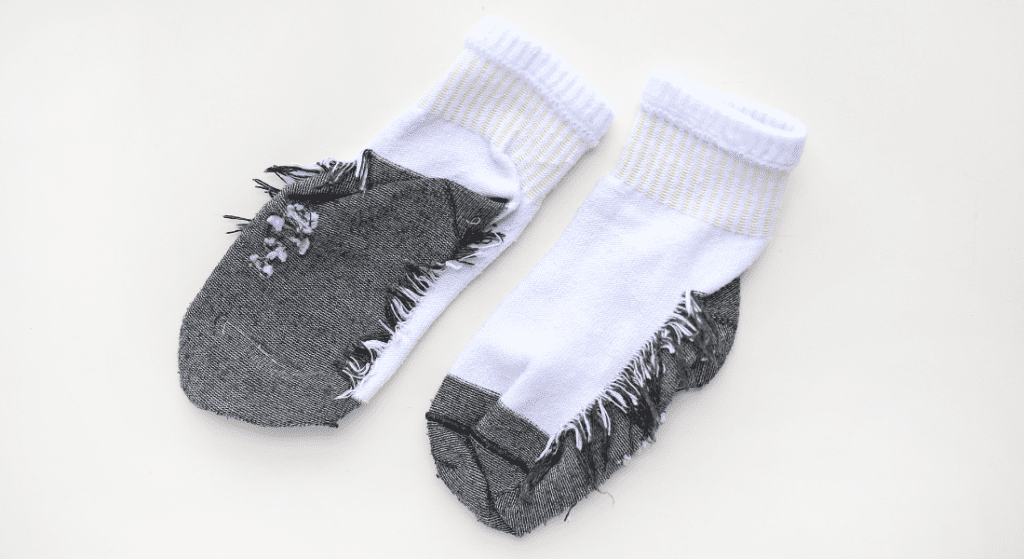
An overloaded washer can make it harder for water and detergent to circulate through the load. It can also increase the amount of rubbing between garments.
Follow the washing machine’s load guidance instead of packing clothing tightly into the drum.
If you have a large household load, bedding, or bulky items, using an appropriately sized washer is usually better than forcing everything into a smaller machine.
7. Use the Appropriate Wash Cycle
Not every load of colored clothing requires the most intensive wash cycle.
If clothing is lightly or normally soiled and the care label permits it, an appropriate normal or gentler cycle may reduce unnecessary mechanical wear compared with a heavy-duty setting.
Choose the cycle based on:
- fabric type,
- garment construction,
- soil level, and
- manufacturer instructions.
8. Be Careful With New Colored Clothes
New clothing with deep or highly saturated colors may release excess dye during the first few washes.
Look for care-label instructions such as:
- “wash separately,”
- “wash before wearing,” or
- “wash with similar colors.”
If you are unsure whether a new dark or brightly colored item will bleed, washing it separately or with similar dark colors is a cautious approach.
Commercial dye-catching sheets are also available, but they should not replace sensible sorting when a garment is likely to release a significant amount of dye.
How to Prevent Color Bleeding in the Wash
Color bleeding occurs when dye leaves one garment during washing and transfers to another.
To reduce the risk of colors bleeding:
- keep white and pale clothing away from dark or highly saturated items,
- pay extra attention to new garments during their first few washes,
- follow labels that recommend washing separately,
- use the recommended water temperature,
- do not leave wet garments of different colors pressed together for long periods, and
- remove laundry promptly after the wash cycle ends.
If dye has already transferred from one garment to another, read our guide on how to remove dye transfer from clothes.
How to Keep Bright Colors From Fading
Bright clothing can gradually become less vibrant because of repeated washing, friction, heat, sunlight, unsuitable laundry products, or normal fabric wear.
To help bright colors last longer:
- wash them only when necessary,
- follow their care labels,
- separate them from items likely to release dye,
- turn suitable garments inside out,
- avoid unnecessary hot water,
- measure detergent correctly,
- avoid excessive agitation, and
- dry them without unnecessary heat.
No washing method can completely stop normal aging and wear, but good laundry habits can reduce avoidable fading.
How to Keep Dark and Black Clothes From Fading
Fading is especially noticeable on black and dark-colored clothing.
For dark garments:
- wash them with similar colors,
- follow the temperature on the care label,
- turn appropriate items inside out,
- use the correct amount of detergent,
- avoid unnecessary heavy washing, and
- avoid excessive drying heat.
For a more detailed routine, read our guide on how to wash dark and black clothes without fading.
Does Salt Keep Clothes From Fading?
Salt is often recommended online as a way to “set” the color in clothing, but it should not be treated as a universal method for preventing fading.
Modern fabrics use many different fibers, dyes, and manufacturing processes. A household salt soak will not work the same way for every garment.
If a manufacturer provides special instructions for setting or caring for a garment’s dye, follow those instructions.
For normal laundry, proper sorting, suitable washing settings, correct detergent use, and careful drying are more dependable habits.
Does Vinegar Keep Colored Clothes Bright?
White vinegar is another common home-laundry recommendation, but it is not required for keeping ordinary colored clothes bright.
Some washing machines, fabrics, or laundry products may have specific instructions regarding additives. Follow those directions instead of automatically adding vinegar to every load.
Good color care comes primarily from appropriate washing and drying practices rather than relying on one household ingredient.
Should You Use Fabric Softener on Colored Clothes?
Fabric softener is mainly intended to change fabric feel, reduce static, or add fragrance. It is not necessary for preventing color fading.
If you choose to use fabric softener, follow the product directions and check the garment care label first.
Some towels, athletic fabrics, moisture-wicking materials, or specialty garments may have instructions that discourage or limit fabric softener.
Can You Use Bleach on Colored Clothes?
Do not assume that every bleach product can be safely used on colored clothing.
Chlorine bleach can remove or alter dye in many colored fabrics. Only use it when both the garment care label and bleach product instructions indicate that it is suitable.
Color-safe or oxygen-based bleach is different from chlorine bleach and may be suitable for more colored fabrics, but it should still be used according to its instructions.
For more detail, read our complete guide on using bleach on colored clothes.
How to Dry Colored Clothes Without Fading Them
Color care does not stop when the wash cycle finishes.
Follow the drying instructions on the garment and avoid more heat or drying time than necessary.
Depending on the garment:
- use the recommended dryer temperature,
- remove clothes when they are dry rather than repeatedly extending the cycle,
- air dry when the care label recommends it, and
- avoid leaving strongly colored clothing in prolonged direct sunlight if fading is a concern.
Heat and sunlight affect different fabrics and dyes differently, so garment-specific instructions remain important.
Why Do Colored Clothes Fade?
Colored clothing can become less vibrant for several reasons:
- Normal wear: Friction gradually changes the surface of fabric fibers.
- Repeated washing: Clothing experiences water, detergent, and mechanical movement every time it is washed.
- Excessive heat: Some fabrics and dyes are more sensitive to high temperatures.
- Sunlight: Prolonged ultraviolet exposure can affect textile dyes.
- Dye transfer: Loose dye from another garment can change the appearance of lighter clothing.
- Incorrect laundry products: Bleach or another unsuitable treatment may permanently alter the color.
- Overwashing: Washing clothing more frequently than necessary increases repeated exposure to friction and cleaning products.
Can You Brighten Colored Clothes That Look Dull?
First determine whether the clothing is actually faded.
Sometimes colored clothes look dull because of:
- detergent residue,
- soil that was not fully removed,
- mineral buildup, or
- dye transferred from another garment.
If the problem is residue or soil, correcting the washing process may improve the appearance.
If the fabric itself has permanently lost dye, however, ordinary washing cannot put that missing color back into the fibers.
Can You Restore Clothes That Have Already Faded?
If clothing has genuinely lost its dye, laundry detergent or another normal wash cycle will not restore the original color.
Some garments can be recolored with a textile dye, but the result depends on the fabric type, original color, stitching, existing finishes, and the dye product being used.
If you decide to re-dye clothing, identify the fiber content first and follow the dye manufacturer’s instructions carefully.
Quick Color-Care Checklist
- Read the garment care label.
- Separate pale clothes from dark or strongly saturated colors when appropriate.
- Wash new dye-heavy garments separately or with similar colors when necessary.
- Turn suitable garments inside out.
- Use cool or cold water when recommended.
- Use detergent appropriate for the fabric and washer.
- Measure detergent instead of adding extra.
- Do not overload the washing machine.
- Choose a cycle appropriate for the fabric and soil level.
- Remove wet clothes promptly.
- Avoid unnecessary bleach or laundry additives.
- Follow the drying instructions.
- Avoid unnecessary heat and prolonged direct sunlight.
Need to Wash Colored Clothes in Clarksville?
If you prefer to wash your clothes yourself, The Dutchman’s Laundry offers a self-service laundromat in Clarksville, TN with multiple washer sizes for everyday laundry.
If you would rather have your regular clothing washed and folded for you, learn more about our drop-off wash and fold service.
Have a large load? Choosing the right washer size gives clothing more room to wash and rinse properly. Our attendants can help you select an appropriate machine when you visit.
Frequently Asked Questions About Washing Colored Clothes
How do you wash colored clothes without fading?
Read the care label, sort colors appropriately, turn suitable garments inside out, use an appropriate water temperature and detergent, avoid overloading the washer, and follow the recommended drying instructions.
How do I prevent colors from bleeding in the wash?
Separate pale clothing from dark or highly saturated garments, follow instructions to wash new items separately, use the recommended water temperature, and remove wet laundry promptly after washing.
What temperature should colored clothes be washed at?
Many colored garments can be washed in cool or cold water, but the care label should determine the correct temperature for each item.
What is the best detergent for colored clothes?
There is no single best detergent for every colored garment. Choose a detergent appropriate for the fabric, washer type, water temperature, and soil level. Products labeled for colors can be suitable for routine colored laundry when used according to their instructions.
Should colored clothes be washed separately?
You do not need a separate load for every color. However, very light clothes should usually be separated from garments likely to release dark or intense dye. New garments may also need to be washed separately if their care labels recommend it.
Should you turn colored clothes inside out?
Turning appropriate garments inside out can reduce direct abrasion on their visible surfaces. This can be especially useful for dark clothes, jeans, printed shirts, and graphics.
How do you keep bright-colored clothes bright?
Follow the care label, sort colors carefully, use appropriate water temperatures, measure detergent correctly, avoid unnecessary heavy washing, and do not expose clothes to more drying heat or sunlight than necessary.
Does salt stop clothes from fading?
Salt is not a universal method for preventing color fading in modern clothing. Fabrics and dyes vary, so follow garment-care instructions instead of relying on a salt soak.
Does vinegar prevent colored clothes from fading?
Vinegar is not required for normal color preservation. Follow your garment and washing-machine instructions before adding vinegar or another laundry additive.
Can you use fabric softener on colored clothes?
Fabric softener may be used when the garment and product instructions allow it, but it is not necessary for preventing color fading.
Can faded clothes become bright again?
If the fabric has permanently lost dye, normal washing cannot restore the missing color. Some fabrics may be recolored with a suitable textile dye, but results depend on the fabric and product used.
Why do my colored clothes look dull after washing?
Possible causes include detergent residue, soil, mineral buildup, dye transfer, fabric wear, excessive washing, or actual dye loss. The correct solution depends on the cause.
Written by
TDL Team
The laundry team behind The Dutchman’s Laundry in Clarksville, TN. We share practical laundry guidance based on common clothing-care questions and everyday laundry experience.