
Updated: August 12, 2026
Can you use bleach on colored clothes? Sometimes — but it depends on the type of bleach, the garment’s care label, the fabric, and whether the dye is colorfast.
Traditional chlorine bleach can permanently fade or remove color from many fabrics. Color-safe or non-chlorine bleach is designed for a wider range of washable colored clothing, but that does not mean it is automatically safe for every garment.
This guide explains when bleach can be used on colored clothes, the difference between chlorine and color-safe bleach, how to test fabric before treatment, and how to avoid permanent bleach spots.
Quick Answer: Can You Bleach Colored Clothes?
Before using any bleach on colored clothing, check both the garment care label and the bleach product instructions.
- Chlorine bleach: Can remove or alter fabric dye. Use it only if the garment specifically allows chlorine bleach.
- Color-safe bleach: May be suitable for many washable colored fabrics when used according to the product label.
- Oxygen bleach: A common type of non-chlorine bleach that may help brighten colors or treat stains on compatible washable fabrics.
- Do not bleach symbol: If the care label says not to bleach, do not use chlorine, oxygen, or another bleaching product.
Do not assume that heavily diluting chlorine bleach makes it safe for colored clothing. If the dye is not compatible with chlorine bleach, even a weak solution can cause permanent fading or discoloration.
Chlorine Bleach vs. Color-Safe Bleach
| Bleach Type | Typical Use | Colored Clothes |
|---|---|---|
| Chlorine Bleach | Whitening and stain treatment on compatible fabrics | Can remove dye. Use only when the garment care label specifically permits it. |
| Color-Safe / Non-Chlorine Bleach | Stain treatment and brightening | Designed for a wider range of colored fabrics, but always check the label first. |
| Oxygen Bleach | Brightening and stain treatment | May be appropriate for colorfast washable fabrics when used according to directions. |
The term color-safe bleach does not mean a product is guaranteed to be safe for every colored fabric. Dark dyes, specialty finishes, delicate fibers, prints, and older garments can all react differently.
What Do Bleach Symbols on Clothing Labels Mean?
The care label is one of the most important things to check before using bleach.
- Empty triangle: Bleaching may be permitted.
- Triangle with two diagonal lines: Use only non-chlorine bleach when needed.
- Crossed-out triangle: Do not bleach.
If the label is missing or unclear, avoid experimenting with bleach on a valuable or delicate garment.
Can You Use Chlorine Bleach on Colored Clothes?
Chlorine bleach can permanently remove or alter many fabric dyes.
That does not mean every colored garment automatically reacts the same way. The correct decision should come from the garment’s care label and the bleach manufacturer’s instructions.
If the label does not specifically allow chlorine bleach, it is safer to choose a stain-specific treatment or a compatible color-safe product instead.
Can You Use Diluted Bleach on Colored Clothes?
Diluting chlorine bleach does not automatically make it safe for colored fabric.
If the garment’s dye reacts to chlorine, a diluted solution may still cause:
- White spots
- Orange or yellow discoloration
- Uneven fading
- Loss of printed details
- Permanent color change
If chlorine bleach is not permitted by the garment’s care instructions, do not use dilution as a workaround.
Can You Add a Little Bleach to Colored Clothes?
Even a small amount of chlorine bleach can damage incompatible colored fabric.
The important question is not how little bleach you use. It is whether the fabric and dye can safely tolerate that specific product.
If you want to brighten colored clothing or treat a stain, a product specifically labeled for colored fabrics may be a better option when the garment care label permits it.
What Is Color-Safe Bleach?
Color-safe bleach usually refers to a non-chlorine bleaching product intended to brighten washable fabrics or help remove stains with less risk of stripping dye than traditional chlorine bleach.
Many powdered products use oxygen-releasing ingredients, while liquid non-chlorine products may use different formulations.
Because products vary, do not assume they all use the same dosage, soak time, or washing method. Follow the directions on the specific package you are using.
Is Oxygen Bleach Safe for Colored Clothes?
Oxygen bleach can be suitable for many washable, colorfast fabrics, but it is not universally safe.
Before using oxygen bleach:
- Check the garment’s care label.
- Check the bleach product’s fabric restrictions.
- Perform a colorfastness test if recommended.
- Do not use it on fabrics specifically excluded by the manufacturer.
Silk, wool, leather, suede, specialty finishes, and some delicate fabrics often require different care.
How to Test Colored Clothes Before Using Bleach
If the garment permits the type of bleach you want to use, test a hidden area before treating the entire item when the product recommends doing so.
- Choose a hidden area such as an inside seam or hem.
- Prepare the product exactly according to its label.
- Apply the test solution only to the hidden area.
- Wait the recommended amount of time.
- Rinse or blot according to the product directions.
- Check the fabric for fading, color transfer, or another visible change.
If the test area changes color, do not use that bleach product on the garment.
How to Bleach Colored Clothes Safely
If the garment allows non-chlorine bleach and the product is suitable for the fabric, use this general process.
1. Read the Garment Care Label
Confirm that bleaching is permitted and determine whether only non-chlorine bleach is allowed.
2. Read the Bleach Product Label
Check which fabrics the product can be used on, how much should be added, and whether it should go in the washer drum, dispenser, or a separate soaking solution.
3. Test the Color When Recommended
Perform a colorfastness test on an inside seam or other hidden area.
4. Separate the Laundry
Avoid treating an entire mixed load simply because one garment has a stain.
Separate items according to color and care instructions.
5. Measure the Bleach Correctly
Do not guess the amount.
Different bleaching products have different concentrations, so follow the manufacturer’s dosage instructions.
6. Add the Product as Directed
Use the washer dispenser or addition method specified by the product and washing-machine instructions.
Avoid pouring concentrated bleach directly onto colored fabric unless the product explicitly instructs you to do so.
7. Choose the Correct Water Temperature
Follow the garment care label.
Do not assume hot or warm water is always better. Some colored fabrics require cooler temperatures to protect the fibers and dye.
8. Inspect the Clothes After Washing
If you were treating a stain, check the area before using high dryer heat.
If the stain remains, use another appropriate treatment rather than simply increasing the amount of bleach.
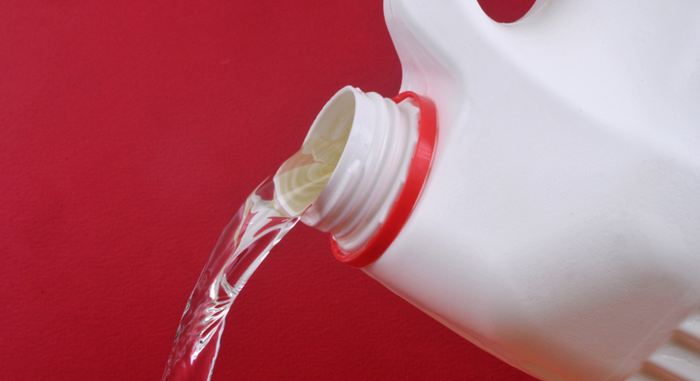
Can You Soak Colored Clothes in Bleach?
Only soak colored clothing if both the garment and bleaching-product instructions permit it.
Some non-chlorine bleach products provide soaking instructions for stained or dull clothing. Follow the manufacturer’s concentration and maximum soaking time.
Do not assume an overnight soak or longer treatment will produce better results. Excessive exposure can damage incompatible fabric or dye.
Can You Use Bleach on Dark Clothes?
Dark clothes can show bleaching damage very clearly.
Do not use chlorine bleach unless the garment specifically permits it. A non-chlorine product labeled for colors may be suitable for some washable dark fabrics, but check the label and test first when recommended.
Can You Use Bleach on Black Clothes?
Chlorine bleach can remove black dye and leave orange, brown, pink, yellow, white, or faded areas depending on how the dye reacts.
If you are treating a stain on black clothing, start with a stain-removal method designed for the specific stain instead of chlorine bleach unless the garment explicitly allows it.
What Happens If Bleach Gets on Colored Clothes?
If chlorine bleach reaches a dye that is not bleach-resistant, it can chemically alter or remove the color.
The result may appear as:
- A white spot
- A lighter patch
- An orange or yellow mark
- Uneven fading
- A pink or reddish area
- Loss of printed color
This is different from an ordinary stain because the original dye may actually be missing.
What Should You Do If You Accidentally Bleach Colored Clothes?
If chlorine bleach accidentally contacts colored fabric, follow the bleach product’s first-aid and cleanup instructions and rinse the garment as directed as soon as it is safe to do so.
Rinsing can help remove remaining bleach from the fabric, but it may not restore color that has already been chemically removed.
Do not start adding vinegar, ammonia, or other cleaners to the bleach spot. Mixing bleach with incompatible household chemicals can create dangerous fumes.
Can You Fix a Bleach Stain on Colored Clothes?
A bleach mark usually cannot be treated like a normal stain because bleaching may have removed some of the fabric’s original dye.
Washing the garment again will not normally restore missing color.
Depending on the item, possible cosmetic repairs may include:
- Fabric dye
- Fabric markers
- Professional garment recoloring
- Covering the area with embroidery or a patch
Color matching can be difficult, so test repair products carefully.
Can You Use Color-Safe Bleach on Colored Towels?
Possibly. Check both the towel’s care label and the product instructions.
If the towel is colorfast, machine washable, and allows non-chlorine bleach, a suitable color-safe product may help brighten the fabric or treat certain stains.
Can You Use Color-Safe Bleach on Colored Bedding?
The same basic rules apply to sheets, blankets, and washable comforters.
Check the care label first, make sure the bleaching product is compatible with the fabric, and follow the recommended dosage.
For oversized washable bedding that does not fit comfortably in a home washer, The Dutchman’s Laundry offers bulky item laundry service in Clarksville.
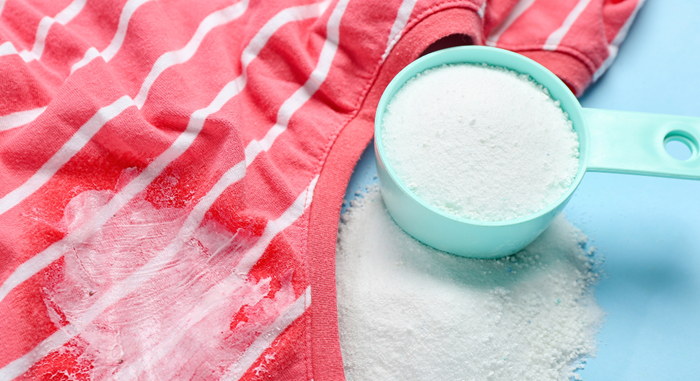
Bleach or Stain Remover: Which Should You Use?
Not every stain needs bleach.
Grease, oil, coffee, blood, ink, grass, rust, sweat, and other stains can respond very differently to cleaning products.
Using a stain-specific pretreatment may be more effective and less risky than bleaching an entire garment.
If you would rather avoid bleach entirely, read our guide on how to remove stains without bleach.
Important Bleach Safety Rules
- Always follow the bleach product label.
- Check the garment care label before treatment.
- Do not pour concentrated bleach directly onto colored clothing unless specifically directed.
- Never mix chlorine bleach with ammonia.
- Never mix chlorine bleach with vinegar or acids.
- Do not mix bleach with other household cleaning products unless the manufacturer explicitly says the combination is safe.
- Keep bleach away from children and pets.
- Use laundry chemicals in a properly ventilated area as directed.
Common Mistakes When Using Bleach on Colored Clothes
- Assuming diluted chlorine bleach is safe: Dilution does not make an incompatible dye bleach-resistant.
- Ignoring the care label: The garment instructions should be checked first.
- Using chlorine bleach when only non-chlorine bleach is allowed: These products are not interchangeable.
- Pouring concentrated product directly on clothing: This can create localized fading or damage.
- Guessing the dosage: Follow the manufacturer’s measurements.
- Assuming every color-safe bleach works the same way: Formulations and directions vary.
- Bleaching every stain: Many stains respond better to a stain-specific pretreatment.
- Mixing cleaning products: Some combinations are hazardous.
When Should You Avoid Bleaching Colored Clothes?
Avoid experimenting with bleach when:
- The care label says “Do Not Bleach.”
- The garment is silk, wool, leather, suede, or another delicate material not approved for the product.
- The clothing has an unstable or unknown dye.
- The item is vintage or valuable.
- The garment contains specialty finishes or embellishments.
- A hidden-area test causes fading.
- The manufacturer’s bleach instructions exclude the fabric.
Need Help With Washable Colored Laundry in Clarksville?
If your clothing is suitable for normal laundering and you would rather not manage the washing yourself, The Dutchman’s Laundry offers drop-off wash and fold service in Clarksville.
You can also use our self-service laundromat in Clarksville if you prefer to handle stain treatment and washing yourself.
For delicate, valuable, heavily stained, or specialty garments, ask our team about the item first rather than assuming bleach or regular laundering is appropriate.
Frequently Asked Questions About Bleach and Colored Clothes
Can I use bleach on colored clothes?
It depends on the bleach and the garment. Chlorine bleach can remove many dyes, while some non-chlorine or color-safe products are intended for compatible colored fabrics. Check both the garment care label and product directions first.
Can you use bleach on colored clothes?
Yes, in some cases, but only when the garment and the specific bleaching product are compatible. Do not assume every colored garment can tolerate bleach.
Can you use diluted bleach on colored clothes?
Diluting chlorine bleach does not automatically make it safe. If the garment does not permit chlorine bleach, do not use a diluted solution as a workaround.
Can you add a little bleach to colored clothes?
Even a small amount of chlorine bleach may cause permanent fading on an incompatible dye. Check the care label before adding bleach.
What bleach can you use on colored clothes?
A non-chlorine or color-safe bleaching product may be appropriate for many washable colored fabrics when both the garment and product labels permit it. No bleach is universally safe for every colored garment.
Is color-safe bleach really safe for colors?
It is designed to reduce the risk of color damage compared with chlorine bleach, but fabrics and dyes vary. Follow the product directions and perform a colorfastness test when recommended.
What is non-chlorine bleach?
Non-chlorine bleach is a category of bleaching products that does not use sodium hypochlorite as the bleaching ingredient. Oxygen-based products are one common example.
Will a small amount of bleach ruin colored clothes?
It can. If the dye is sensitive to chlorine bleach, even limited exposure may create permanent color change.
Can you use bleach on dark clothes?
Only when the specific garment permits the product. Chlorine bleach can visibly alter dark dyes, while some color-safe products may be suitable for compatible washable dark clothing.
Can you use bleach on black clothes?
Chlorine bleach can remove black dye and create orange, pink, brown, yellow, white, or faded spots. Use chlorine bleach only if the garment explicitly permits it.
Does color-safe bleach disinfect clothes?
Do not assume a color-safe bleach disinfects laundry unless its product label specifically provides directions for that purpose. For sanitizing laundry, use a product and process intended for sanitization.
Can you fix bleach spots on colored clothing?
Bleach spots usually involve lost dye rather than removable residue. Washing normally will not restore missing color, although fabric dye or other cosmetic repairs may help in some cases.
Written by
TDL Team
The laundry professionals behind The Dutchman’s Laundry in Clarksville, TN – Family-owned since 2015. We share practical laundry tips based on the questions and laundry problems our team sees every day.