
Laundry for a large family becomes manageable when everyone follows the same simple system. Instead of waiting for one enormous laundry day, create clear places for dirty clothes, sort items before they reach the washer, schedule loads around your household’s actual needs, and give clean laundry a direct path back to each person.
The best laundry system for large families is not necessarily the most complicated one. It is the system family members can follow consistently without one person having to find, sort, wash, fold, and return every item.
Quick answer: Give each piece of laundry a predictable path: hamper, sorting area, washer, dryer or drying rack, folding station, and designated storage space. When every stage has a location and an owner, dirty clothes are less likely to accumulate into an overwhelming laundry mountain.
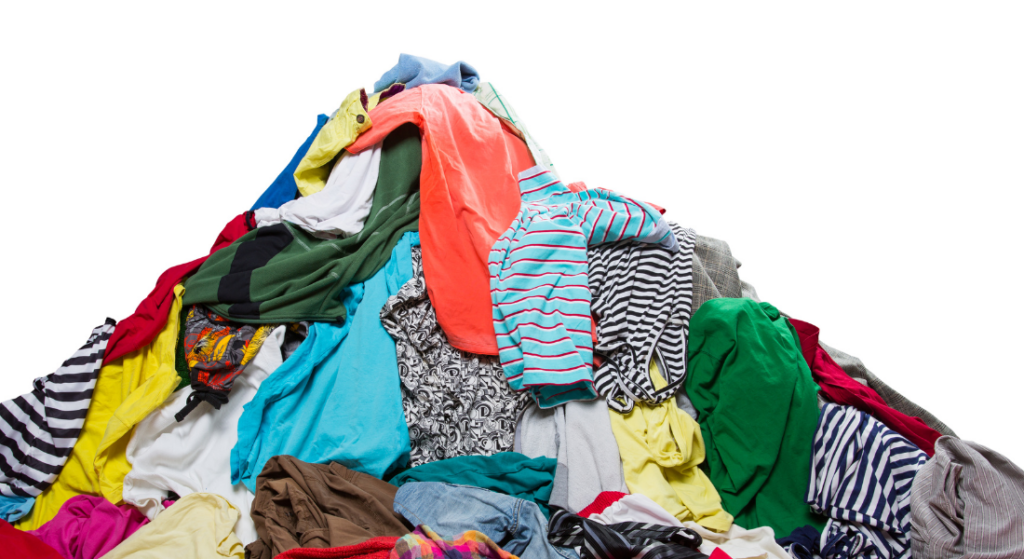
Why Laundry Becomes Difficult in a Large Household
Large-family laundry is not simply a small-family routine with more loads. Several problems happen at the same time:
- Dirty clothing comes from several rooms and family members.
- Towels, uniforms, bedding, play clothes, and delicate garments have different care requirements.
- Clean clothes can become mixed together after drying.
- A completed load may remain in a basket instead of reaching the correct drawer.
- One forgotten load can interrupt the entire schedule.
- Home machines may not have enough capacity for accumulated laundry or bulky bedding.
A practical system addresses the movement of laundry through the house, not only the washing step.
Step 1: Choose a Family Laundry System
Most households benefit from one of two basic approaches. Choose the one that creates the fewest sorting problems in your home.
| System | How it works | Best for |
|---|---|---|
| Sort by family member | Each person has a hamper or basket, and most of that person’s washable clothing is laundered together when care labels permit. | Preventing ownership mix-ups and making clothes easier to return |
| Sort by laundry category | The household uses shared hampers for categories such as everyday colors, whites, towels, bedding, and special-care items. | Combining compatible items into efficient loads |
| Hybrid system | Each person has a bedroom hamper, but items are sorted into shared categories before washing. | Families that need both easy collection and careful separation |
The hybrid approach works well for many families. Everyone has a clear place for dirty clothes, while the person operating the washer can still separate items according to care needs.
Step 2: Put Hampers Where Dirty Clothes Accumulate
A hamper will not help if it is far from the places where clothing is normally changed. Place collection baskets in practical locations, such as bedrooms, bathrooms, or a shared hallway.
Use labels or colors to make the system easy to recognize. Depending on your household, you could label baskets by:
- Family member
- Room
- Everyday clothing
- Towels and washcloths
- Bedding
- Work clothes or uniforms
- Delicates and special-care items
Avoid allowing damp towels or wet clothing to remain compressed in a closed hamper. Hang them to dry before adding them to the appropriate laundry collection area.
Step 3: Sort Laundry by Care Needs, Color Risk, Soil and Lint
There is no requirement to divide every load into a large number of tiny categories. The goal is to keep incompatible items apart while creating loads large enough to wash efficiently.
Before washing, consider these four factors:
Care instructions
Read the garment labels first. Keep hand-wash, dry-clean-only, low-temperature, and air-dry items separate from ordinary machine-washable clothing.
Color and dye transfer
Separate new, deeply colored, or potentially unstable garments from whites and light colors. Washing dark clothing inside out in cool water can also help reduce visible fading and abrasion.
Soil level
Keep heavily soiled work clothes, muddy play clothes, greasy items, and similar garments away from lightly worn clothing. Shake off loose dirt outdoors and identify stains before placing an item in the washer.
Lint and fabric texture
Avoid washing lint-producing towels with garments that attract lint. Heavy or abrasive items may also need to be separated from lightweight fabrics.
When uncertain, follow the most restrictive care instructions in the proposed load rather than guessing.
Step 4: Build a Realistic Family Laundry Schedule
There is no universal number of loads that every family should complete each week. Household size matters, but so do sports, school uniforms, work clothing, bedding, pets, weather, and washer capacity.
Start by tracking your household’s laundry for one normal week. Then assign recurring categories to specific time blocks.
| Time | Possible task | Purpose |
|---|---|---|
| Daily | Check hampers, empty pockets, identify stains, and finish any load already started | Prevents forgotten items and abandoned wet laundry |
| Two to four set days | Wash ordinary clothing and uniforms according to household demand | Keeps frequently needed clothing available |
| One recurring day | Wash towels and washcloths | Creates a predictable household-linen routine |
| Scheduled as needed | Wash sheets, blankets, comforters, and other bulky items | Prevents oversized items from disrupting everyday loads |
| Weekly reset | Return empty baskets, refill supplies, and check for unfinished laundry | Prepares the system for the next week |
A family of four, five, or six may require different schedules even when the household sizes are similar. Build the schedule around the categories that fill up first rather than an arbitrary online estimate.
Step 5: Complete One Load From Hamper to Storage
A load is not finished when the dryer stops. It is finished when the clothing has been folded or hung and returned to the correct person or room.
Whenever possible, complete the following sequence before starting another load:
- Collect and sort the items.
- Check pockets and care labels.
- Identify and treat stains.
- Wash the load.
- Move it promptly to the dryer or drying rack.
- Fold or hang the clean items.
- Return everything to its assigned storage location.
This prevents clean clothes from living indefinitely in baskets and stops partially completed loads from blocking the washer or dryer.
Step 6: Give Each Family Member an Age-Appropriate Role
One person does not need to perform every part of the household laundry routine. Even when an adult operates the machines, other family members can contribute.
Possible responsibilities include:
- Putting dirty clothing into the correct hamper
- Emptying pockets
- Turning clothing right-side out or inside out when required
- Bringing a full basket to the sorting area
- Matching clean socks
- Folding towels
- Placing folded items in the correct bedroom
- Putting away personal clothing
- Returning empty baskets to their designated locations
Only assign tasks that are appropriate for the person’s age and abilities. Laundry products and operating machines should remain under responsible adult supervision.
Step 7: Create a Simple Stain-Treatment Station
Stains become harder to manage when they disappear into a family hamper without being identified. Keep a small, organized stain-treatment area near the laundry supplies and encourage family members to report stains when they occur.
For safer stain treatment:
- Check the garment’s care label before applying a product.
- Identify the stain when possible.
- Blot liquid stains instead of aggressively rubbing them into the fibers.
- Test unfamiliar treatments on a hidden area.
- Follow the stain remover’s label directions.
- Do not machine-dry the garment until you have checked the stained area.
- Never mix laundry or household cleaning products unless their labels specifically direct you to do so.
Different stains require different treatment. Use the relevant guide for grease stains, laundry detergent residue, or other specific problems instead of applying the same remedy to every garment.
Step 8: Load the Washer for Effective Cleaning
Trying to save time by packing too many clothes into one machine can produce disappointing results. Laundry needs enough room to move during the wash cycle. Use the machine’s capacity guidance and divide a load when it is too tightly packed.
Also remember to:
- Measure detergent according to its label and the load conditions.
- Select the cycle and water temperature based on the care labels.
- Zip or fasten items when their care instructions recommend it.
- Use mesh laundry bags for suitable small or delicate pieces.
- Move washed clothes promptly so they do not remain wet in the machine.
For many ordinary loads, cold water can clean effectively while using less energy, according to ENERGY STAR. Oily stains, heavily soiled items, certain household linens, or care-label instructions may call for a different temperature.
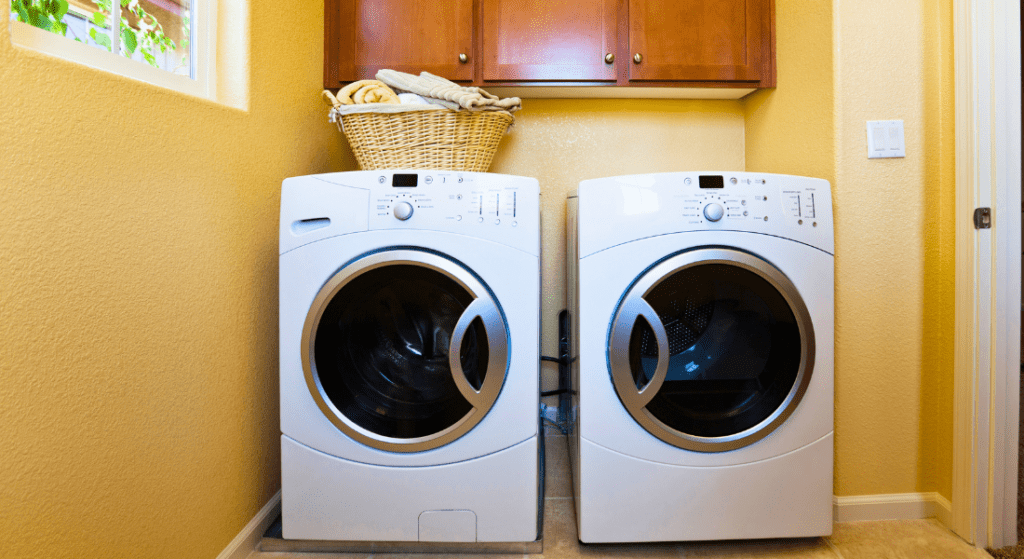
Step 9: Use a Folding Station and Destination Baskets
Set aside one clear surface for folding. It can be a laundry-room counter, table, or another uncluttered area near the dryer.
Place a basket for each person or destination beside the folding surface. As you fold, place each item directly into its correct basket:
- Parent or adult clothing
- Children’s clothing
- Bathroom linens
- Kitchen linens
- Bedroom linens
- Items that need to be hung
Destination baskets reduce the second sorting session that often happens after clean laundry has already been folded.
How to Prevent Clothing Mix-Ups
Similar socks, school shirts, undershirts, uniforms, and children’s clothing can be difficult to identify after washing. Try one or more of these methods:
- Assign a different basket color to each family member.
- Wash one person’s easily confused items in a mesh laundry bag when the care instructions permit.
- Add discreet name labels to uniforms and similar garments.
- Use a small dot or symbol on the inside label to identify ownership.
- Fold directly into each person’s destination basket.
- Ask family members to put away their basket before returning it.
Choose a labeling method that will not damage the fabric and does not obscure the garment’s care instructions.
What to Do When the Home Laundry System Falls Behind
Illness, travel, sports seasons, appliance problems, guests, and schedule changes can temporarily produce more laundry than the household system can handle. Instead of allowing the backlog to continue growing, use a reset strategy.
Prioritize essential clothing
Start with work clothes, school uniforms, undergarments, towels, and other items the family will need immediately. Leave less urgent items for later.
Use larger-capacity machines
A laundromat can help a family complete several loads during one trip or use a larger machine for bedding and accumulated laundry. The Dutchman’s Laundry has self-service washers ranging from 2-load to 8-load capacity and commercial dryers up to 75 pounds.
Use drop-off wash and fold
When time is the main problem, an attended service can handle the washing, drying, and folding. The Dutchman’s Laundry offers drop-off wash and fold in Clarksville for $2.10 per pound with a 10-pound, or $21, minimum. Drop-off hours are daily from 8:00 AM to 6:00 PM. Check the service page for current pricing, specials, and turnaround information.
Laundry Equipment Safety and Maintenance
Regular maintenance helps keep a busy family laundry routine running safely:
- Clean the dryer lint filter before each use.
- Do not operate machines with damaged cords or obvious mechanical problems.
- Keep the area around washers and dryers clear.
- Follow the appliance manufacturer’s loading and maintenance instructions.
- Keep detergent, stain treatments, and other laundry products away from children and pets.
- Do not leave young children responsible for operating laundry equipment.
The U.S. Fire Administration recommends cleaning the dryer lint filter before using the dryer.
Frequently Asked Questions
What is the best laundry system for a large family?
The best system gives laundry a clear path from the bedroom hamper to the correct drawer. Use labeled collection baskets, sort by care requirements, schedule recurring load categories, finish one load completely, and return folded clothing in destination baskets.
How do you manage laundry in a large family?
Divide laundry into smaller recurring tasks rather than relying on one enormous laundry day. Assign family members age-appropriate responsibilities and build the schedule around the categories that fill most quickly.
How often should a large family do laundry?
There is no single correct frequency. Track how quickly your family’s clothing, towels, uniforms, and bedding accumulate. Schedule loads often enough to prevent essential categories from running out or overflowing their assigned hampers.
Should every family member have a separate laundry basket?
Separate baskets are helpful for preventing mix-ups and returning clean clothes. However, shared category hampers can be more efficient when several people have compatible laundry. Many households benefit from personal bedroom hampers combined with shared sorting baskets.
What is the best way to separate family laundry?
Start with care labels, then consider color-transfer risk, soil level, fabric weight, and lint. Keep delicate, dry-clean-only, heavily soiled, and potentially color-bleeding items away from ordinary mixed loads.
How can a family stop losing socks and small clothing?
Give each person a destination basket, use suitable mesh laundry bags for small items, and match socks at the folding station. Label similar garments when necessary.
Should laundry be done every day?
Daily laundry may help households that consistently produce a full compatible load, but it is not required. A smaller family or a household with a large-capacity washer may prefer fewer scheduled washing days.
How can busy parents make laundry less stressful?
Remove decisions from the process. Use labeled hampers, recurring laundry blocks, a stocked stain station, destination baskets, and clearly assigned family responsibilities. When the backlog becomes unmanageable, a large-capacity laundromat or drop-off service can provide a temporary reset.
Build a System Your Family Can Maintain
The most effective laundry routine is one your household can continue during normal busy weeks. Start with a few clear rules: dirty clothes go into assigned hampers, stains are reported early, loads are sorted by care needs, and clean clothing is returned to its destination before another load takes over the basket.
If your household needs help clearing a backlog, visit The Dutchman’s Laundry at 551 Dover Rd, Clarksville, TN 37042. The self-service laundromat is open daily from 5:00 AM to midnight, and attended drop-off wash and fold is available daily from 8:00 AM to 6:00 PM.