Keeping white clothes bright and fresh can be surprisingly difficult. Over time, sweat, body oils, detergent residue, hard-water minerals, food spills, and improper washing can make a crisp white shirt look yellow, gray, or dingy. Fortunately, you do not always need bleach to restore your whites.
This guide explains practical ways to whiten and brighten clothing, including methods using baking soda, hydrogen peroxide, white vinegar, lemon juice, oxygen-based products, and better laundry habits. If you want to whiten clothes without bleach, remove yellowing, or simply learn how to keep your favorite white garments looking fresh, these methods are worth trying.
Table of Contents
ToggleWhy Do White Clothes Turn Yellow or Dingy?
The first step to learning how to whiten clothes is understanding why they become discolored. Sweat and body oils are common causes, particularly around collars, underarms, and cuffs. These substances can build up in the fabric and gradually create a yellow appearance.
Laundry habits can also contribute to the problem. Using too much detergent can leave residue behind, while excessive fabric softener can coat fibers and make them appear dull. Washing white garments with darker or strongly dyed items can also transfer color, making your laundry look less bright.
Age is another factor. Even when clothing is washed regularly, repeated exposure to body oils, products, and environmental dirt can cause white fabric to become dingy. Fortunately, there are several ways to brighten it without immediately reaching for chlorine bleach.
Can You Whiten White Clothes Without Bleach?
Absolutely. If you prefer to whiten without bleach, several household products can help refresh your laundry. Baking soda, hydrogen peroxide, white vinegar, and lemon juice are among the commonly used options, although they work in different ways.
One of the easiest approaches is using baking soda to whiten laundry. Add a cup of baking soda to a regular wash cycle along with your normal detergent. Baking soda can help neutralize odors and loosen some residues that make clothing look dull.
Another option is hydrogen peroxide. A standard 3% hydrogen peroxide solution can be useful for some washable whites. However, always check the garment’s care instructions and test an inconspicuous area first. Not every fabric reacts the same way, and delicate materials require extra care.
How Does Baking Soda Help Whiten Clothes?
Baking soda is one of the most accessible alternatives for people who want to whiten white clothes without relying on chlorine products. It can help freshen laundry, reduce odors, and loosen certain residues that contribute to a dingy appearance.
For a normal load, you can add one cup of baking soda to the washing machine along with your usual detergent. Another approach is making a paste of equal parts baking soda and water and applying it to a particularly dirty area.
If you are treating a collar or underarm area, gently work the paste into the fabric and allow it to remain for around 15 to 30 minutes before washing. Do not aggressively scrub delicate fabric, since excessive friction can damage fibers.
Can Hydrogen Peroxide Whiten Yellowed White Clothes?
Hydrogen peroxide can be a useful alternative when you want to treat white clothes that have yellowed. A 3% solution is commonly available and can provide an oxygen-based cleaning effect without the same type of chlorine treatment associated with traditional bleach.
For washable garments, hydrogen peroxide can be added to the wash or used as part of a pretreatment, depending on the product directions. Allowing the solution to work for a short period can help loosen discoloration before the regular wash cycle.
Always avoid assuming that every garment can tolerate the same treatment. Check the care label, particularly for delicate fabrics. When trying to whiten an unfamiliar garment, testing a hidden area first is a sensible precaution.
Does White Vinegar Make White Clothes Whiter?
White vinegar is another popular household laundry ingredient. It is particularly useful for helping remove detergent and mineral residues that can contribute to dull-looking clothing.
You can add distilled white vinegar to the rinse compartment of your washing machine rather than pouring it directly onto dry clothing. Some people use approximately one cup for a large load, although the appropriate amount depends on the machine and load size.
It is important to remember that vinegar is not a direct replacement for every type of whitening product. Its primary benefit is helping freshen and rinse away residue. Never mix vinegar with chlorine bleach, because the combination can produce dangerous chlorine gas.
Can Lemon Juice Help Remove Yellow from White Clothes?
Lemon juice is sometimes used as a natural laundry brightener. Its acidity may help with certain discolorations, and sunlight can provide additional brightening when appropriate for the garment.
One simple approach is to apply diluted lemon juice to yellowed areas and then wash the garment according to its care instructions. Some people also place washed white laundry in sunlight to help brighten it naturally.
However, sunlight and lemon juice are not appropriate for every material. Prolonged sun exposure can weaken some fibers or cause changes to certain fabrics. If you use this method, monitor the garment rather than leaving it outdoors indefinitely.
Should You Use Bleach to Whiten White Clothes?
Bleach can be extremely effective for certain white, bleach-safe fabrics, but it should not automatically be the first choice for every garment. Chlorine bleach is powerful and can damage fibers when used incorrectly or too frequently.
Before you use bleach, check the care label. Some white garments contain synthetic fibers, elastic, finishes, or other materials that can react poorly to chlorine bleach. If bleach is appropriate, follow the product’s dilution and washing instructions carefully.
Never pour concentrated bleach directly onto clothing. Use the washing machine’s bleach dispenser when available, or dilute it according to the manufacturer’s instructions. Using too much bleach does not necessarily make clothes whiter and can instead weaken the fabric.
What Is the Difference Between Oxygen Bleach and Chlorine Bleach?
Oxygen bleach is a useful option for people who want a stronger whitening treatment while avoiding traditional chlorine bleach. Oxygen-based products use compounds that release oxygen during washing and can help lift certain stains and discoloration.
For many washable white garments, an oxygen-based bleach solution can be used according to the product’s instructions. Some products are also marketed as a chlorine bleach alternative, making them attractive for routine laundry.
Always follow the package directions and garment-care instructions. Different products have different concentrations and soaking recommendations. If you are trying to get white clothes white again, choosing a product appropriate for your specific fabric is more important than simply choosing the strongest cleaner.
How Can You Remove Yellow Stains from White Clothes?
If you need to remove yellow from white clothes, start by identifying where the discoloration comes from. Underarm yellowing is often associated with sweat, body oils, and product buildup, while an overall yellow appearance may have other causes.
For localized yellow stains, try applying a paste made from baking soda and water. Leave it on the affected area for approximately 15 to 30 minutes before washing. You can then wash as usual according to the garment’s care instructions.
For more persistent discoloration, hydrogen peroxide or an oxygen-based product may be more effective. The important thing is to avoid immediately applying harsh chemicals without checking the fabric. If you want to remove yellow while protecting the garment, gradually increase the strength of your treatment rather than starting with the harshest option.
How Do You Keep White Clothes White After Washing?
Knowing how to whiten your clothes is useful, but preventing yellowing in the first place is even better. Start by sorting laundry properly. Wash whites separately from dark and strongly colored garments to minimize color transfer.
Avoid using too much detergent. More detergent does not necessarily mean cleaner clothing. Excess product can remain in fibers and contribute to dullness. Use the amount recommended for your load size, water conditions, and detergent type.
It is also helpful to avoid overcrowding the washing machine. Clothing needs enough water and movement for dirt and detergent to rinse away properly. Following these habits can help keep white clothes white and maintain the appearance of your favorite garments.
What Laundry Mistakes Can Make White Clothes Look Dingy?
One of the biggest mistakes is mixing white clothing with colored clothes. Even garments that appear colorfast can release small amounts of dye, particularly during their first several washes. Over time, that transferred color can make whites look gray or dull.
Another problem is choosing the wrong water temperature. Always follow the care label, but when the material allows it, warm water can help remove body oils and residues more effectively than very cold water.
You should also avoid treating every stain in exactly the same way. Food, grease, sweat, cosmetics, and dye transfer require different approaches. Identifying the type of stain before choosing a treatment is one of the simplest tips on how to remove discoloration effectively.
How Can You Brighten White Clothes Naturally?
If you prefer clothes without bleach, you have several options. Baking soda, white vinegar, hydrogen peroxide, lemon juice, and sunlight can all play a role in different laundry routines.
For example, baking soda to whiten clothes can be incorporated into a regular wash, while white vinegar can be added during the rinse. Lemon juice and sunlight may provide additional brightening for suitable fabrics. These methods may not produce the dramatic results of a dedicated whitening product, but they can help maintain the appearance of whites over time.
Another useful habit is treating stains immediately. Do not allow sweat, food, or other substances to remain on white clothing for extended periods. The longer a stain remains, the harder it may become to remove.
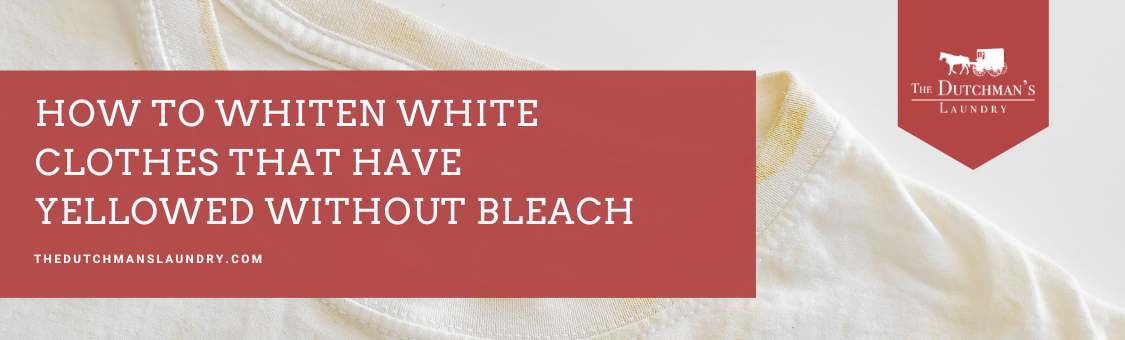
How Can You Whiten White Clothes That Have Yellowed Without Bleach?
If you have clothes that have yellowed without wanting to use chlorine bleach, start with the gentlest appropriate method. Baking soda is a convenient first step, particularly for mild discoloration and odors.
For more persistent yellowing, consider hydrogen peroxide or an oxygen-based whitening product that is safe for the garment. Follow the instructions carefully and give the treatment enough time to work. You may need to repeat the process rather than expecting one wash to restore severely yellowed clothing.
If the garment is valuable or made from delicate material, professional cleaning may be preferable. A professional can assess the fabric and determine the safest method to brighten your white garment without causing unnecessary damage.
Final Thoughts: The Best Ways to Whiten White Clothes
There is no single method to whiten every garment. The best approach depends on the fabric, cause of discoloration, severity of the stain, and whether you are comfortable using bleach.
For everyday laundry, good washing habits can make a major difference. Sort whites separately, use the correct amount of detergent, treat stains promptly, and avoid exposing delicate garments to chemicals they cannot tolerate.
If you want to whiten white clothes without using bleach, start with gentler options such as baking soda, hydrogen peroxide, or appropriate oxygen-based products. For garments that can safely tolerate chlorine bleach, it can still be an effective tool when used correctly.
Still Dealing With Stubborn Stains?
Olive oil can leave a greasy stain that seems impossible to get out, especially after it has been washed and dried. Before you give up on your favorite clothes, learn the right way to treat it. Check out our guide on how to remove olive oil stains from clothes for simple steps that can help get your garments looking fresh again.
Most important things to remember
- Sort your laundry: Wash whites separately to prevent dye transfer.
- Check the fabric: Always read the care label before choosing a whitening treatment.
- Try baking soda: It can freshen laundry and help with mild dullness and odors.
- Consider hydrogen peroxide: It can be useful for certain yellowing and stains on suitable white garments.
- Use white vinegar carefully: Add it to the rinse rather than mixing it with chlorine bleach.
- Try lemon juice cautiously: Sunlight can help brighten some washable white fabrics.
- Use bleach correctly: Never assume more bleach means whiter clothes.
- Consider oxygen bleach: It can be a useful alternative to chlorine bleach.
- Treat stains early: Fresh stains are generally easier to remove than old, set-in discoloration.
- Avoid excess detergent: Using too much can leave residue that makes laundry look dingy.
- Don’t overload the washer: Give your clothes enough room to move and rinse properly.
- Inspect before drying: Make sure a stain is gone before using high heat.
- Protect delicate fabrics: When uncertain, test a treatment on an inconspicuous area first.
- Stay consistent: The best way to keep your whites white is to combine proper sorting, washing, stain treatment, and occasional brightening.