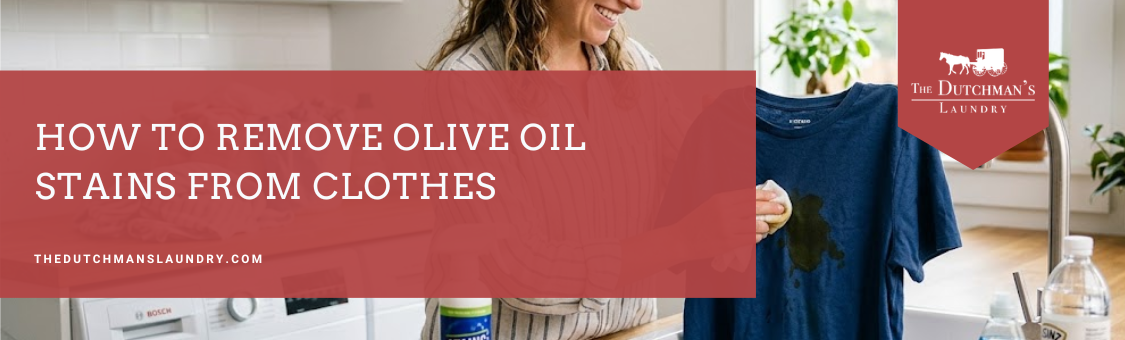
Oil stains can make an otherwise clean outfit look ruined, but most oil stains out of clothes can be treated successfully with the right approach. Whether you are dealing with cooking oil, a greasy meal, motor oil, or an old grease stain, this guide explains practical ways to remove oil stains, including simple home remedies, dish soap, baking soda, and laundry techniques.
If you have ever wondered how to get oil stains out after they have already been washed, or how to deal with oil stains from colored clothes, you are in the right place. Keep reading to learn why oil behaves differently from other stains, which methods work best, and how to avoid accidentally making a stain permanent.
Table of Contents
ToggleWhy Are Oil Stains So Difficult to Remove?
An oil stain is difficult because oil does not mix easily with water. When cooking oil, grease, or another oily substance gets onto fabric, it can spread between the fibers of the fabric rather than simply sitting on the surface. Ordinary water alone therefore may not be enough to remove it.
The longer a stain remains untreated, the more difficult stain removal can become. Heat can make matters worse because it may effectively set the stain into the fabric. This is particularly important if stained clothes have already gone through a washing machine and dryer.
The good news is that you do not necessarily need expensive products. The goal is to break down the oil, absorb excess oil, loosen the stain, and then wash the garment appropriately.
What Should You Do When You Get Oil Stains on Clothes?
The best strategy is to act fast. If you notice an oil spot immediately, gently blot the area with a clean paper towel or cloth. Do not aggressively rub it because rubbing can spread the oil over a larger area.
Next, remove any excess oil sitting on the surface. You can use a small amount of baking soda or another absorbent powder to help absorb oil before treating the fabric. This is especially useful for fresh cooking oil spills.
Once the excess has been removed, apply your chosen treatment directly to the affected area. The sooner you treat the stain, the easier it is to get oil out of clothes before it penetrates deeply into the material.
Can Dish Soap Remove Oil Stains from Clothes?
Yes. Dish soap is one of the simplest options for treating an oil stain because it is designed to break down grease and oily residue. A small amount can be applied directly to the stained area.
Gently work the dish soap into the stain using your fingers or a soft toothbrush. Avoid an aggressive scrub, particularly on delicate fabrics. After working the soap into the material, let it sit for several minutes so it has time to loosen the oil.
Rinse according to the fabric’s care instructions and inspect the garment before putting it into the dryer. If you can still see the stain, repeat the treatment. This method can help remove grease and is particularly useful for fresh grease stains from clothes.
How Does Baking Soda Help Remove Grease?
Baking soda can be useful when you need to absorb oil before washing. Rather than immediately adding water, sprinkle enough baking soda over a fresh grease stain to cover the affected area. Give it some time to absorb the oil.
After allowing the baking soda to work, gently brush or shake it away. You can then apply dish soap or detergent to the remaining stain. This two-step approach can be helpful when you are trying to remove oil stains without immediately soaking the entire garment.
Baking soda is especially convenient because it is inexpensive and commonly available at home. However, it should not be treated as a guaranteed solution for every fabric or every stain. Always consider the garment’s care label and test an unfamiliar treatment on an inconspicuous area first.
How Can You Remove Oil Stains from Clothes with Detergent?
A good detergent can help break down remaining oil after you have treated the affected area. Start by applying a small amount of liquid laundry detergent directly to the stain and gently working it into the fabric.
For washable clothing, follow the care label and use warm water when the fabric permits it. In general, using the warmest water that is water safe for the fabric can help remove oily residue more effectively than very cold water.
After treatment, place the garment in the washing machine and run the appropriate cycle. When the machine finishes, inspect the garment before drying. If the stain remains, repeat the treatment rather than immediately using the dryer.
What About Old Oil Stains?
Old oil stains are more challenging because the oil may have had time to penetrate the fabric and become more firmly attached. However, an old stain is not necessarily impossible to remove.
For old oil stains from clothes, start by applying liquid detergent or dish soap to the affected area. Work it gently into the fabric and let it sit before washing. If the stain is particularly stubborn, you may need to repeat the process several times.
When dealing with set-in oil stains, patience is important. The goal is to gradually loosen the residue rather than aggressively scrubbing the garment. You may not completely remove an old stain in one treatment, but repeated treatment can improve the result.
Can You Remove Oil Stains That Have Already Been Washed and Dried?
Yes, although it can be considerably harder. If clothes have been washed and dried, the dryer may have made the stain more difficult to remove because heat can set oily residue into the fabric.
For an already been washed and dried garment, start by applying dish soap or liquid detergent directly to the affected area. Gently work the product into the stain and allow it to penetrate before washing again.
Do not put the item in the dryer until you have confirmed that the stain has disappeared. A dryer can set the stain further, making future treatment more difficult. If the first attempt does not work, repeat the process before drying.
How Do You Remove Oil Stains from Colored Clothes Without Fading Them?
When treating oil stains from colored clothes, the biggest concern is removing the stain without damaging the color. Avoid automatically reaching for harsh bleaching products, especially when the care label does not recommend them.
Instead, use a mild approach such as dish soap or liquid detergent. Apply it directly onto the stain, gently work it into the fabric, and rinse according to the garment’s instructions. This can help remove oil while reducing unnecessary stress on the fabric.
Always check the label before treating stains from colored clothes without knowing whether the material is washable. For delicate or brightly dyed garments, testing your chosen product on a hidden section first is a sensible precaution.
What About Grease, Motor Oil, and Tough Oil Stains?
Not every oil or grease stain is the same. Cooking oil is usually different from motor oil, and some products contain additional substances that can make them more difficult to clean.
For motor oil stains, remove as much excess residue as possible without spreading it. Then pretreat the affected area with a suitable degreasing laundry product or detergent before washing. Heavier grease and oil residue may require more than one treatment.
The same principle applies to tough oil stains: do not assume one wash will solve everything. For particularly stubborn stains, repeat the pretreatment and wash cycle as appropriate for the fabric. If a garment is delicate, expensive, or labeled dry-clean-only, professional cleaning may be the safer option.
What Common Mistakes Can Make Oil Stains Worse?
One common mistake is immediately washing an oil stain with water without first addressing the oil. Water alone may not effectively dissolve the oily substance. Another mistake is aggressively rubbing the stain, which can spread it and push it deeper into the material.
Another major mistake is drying a garment before checking whether the stain has disappeared. If you machine wash clothing and then discover the stain after drying, you may have created a more set-in problem.
Finally, avoid using more cleaning product simply because the stain is stubborn. Excess product can leave residue behind. Good stain removal usually depends more on choosing the right treatment and allowing it enough time to work than on using large quantities of cleaner.
How Can You Prevent Oil Stains from Becoming Permanent?
The easiest stain to remove is one that you treat early. When oil spills happen, pretreat the stained area as soon as practical rather than leaving the garment in a laundry basket for several days.
If you regularly cook, consider wearing an apron or clothing that you do not mind getting dirty. Keeping dish soap, detergent, paper towels, and baking soda accessible can also make quick treatment easier.
The most important habit is to inspect clothing after washing. Before transferring an item to the dryer, look carefully for oil stains on clothes. If you still see a stain, treat it again. This simple step can prevent a fresh problem from becoming one of those stubborn stains that seem impossible to remove.
Final Tips for Removing Oil and Grease Stains
Removing oil does not have to mean throwing away your favorite clothes. Whether you are dealing with a fresh cooking oil mark, a grease stain, or an older set-in mark, the basic strategy remains the same: absorb excess oil, pretreat the stain, use a product that can break down grease, wash appropriately, and inspect before drying.
The key lesson in removing oil stains from clothes is to treat the affected area rather than relying on a normal wash alone. Dish soap, baking soda, and laundry detergent can all have a role depending on the fabric and the severity of the stain.
Are Your White Clothes Looking Grey and Dingy?
Oil stains aren’t the only thing that can make your laundry look less than fresh. If your white clothes have started looking grey, dull, or dingy, our guide can help. Learn practical ways to whiten greyed white clothes and bring back their brighter, cleaner appearance without damaging your favorite garments.
Things to remember
- Act fast: Treat an oil stain as quickly as possible.
- Blot first: Remove excess oil without spreading it.
- Use dish soap: It can help break down grease before washing.
- Try baking soda: It can absorb excess oil from fresh stains.
- Pretreat: Do not rely entirely on the washing machine.
- Check the care label: Choose water temperature and products appropriate for the garment.
- Inspect before drying: Heat from a dryer can make a remaining stain harder to remove.
- Repeat when necessary: Old or set-in stains may require multiple treatments.
- Protect colored clothing: Use a gentle approach and test products on an inconspicuous area.
- Know when to seek help: Delicate fabrics and severe motor oil stains may be better handled professionally.
- Don’t give up too soon: Effective removing oil and grease stains often takes patience rather than aggressive scrubbing.