
Reviewed and updated August 15, 2026. Always follow the garment’s care label and the directions on any stain-removal product.
Old stains are harder to remove than fresh ones, but many washable garments can still be saved. The correct method depends on what caused the stain, what fabric you are treating, and whether the garment has already been washed or machine dried.
If the stain has already been through the washer or dryer, follow our guide to removing set-in stains from clothes.
There is no universal mixture that safely removes every old stain. Oil, blood, coffee, rust, ink, dye transfer, and detergent residue require different treatments. Identifying the stain before applying products gives you the best chance of removing it without damaging the clothing.
Quick answer: Check the care label, identify the likely stain, remove any dried surface material, and rinse or blot as appropriate. Apply a stain-specific prewash remover or liquid laundry detergent, allow the product’s recommended treatment time, and wash at the safest temperature for that stain and fabric. Inspect the garment before machine drying. If the stain remains, repeat a fabric-safe treatment and air dry.
Why Do Old Stains Become Harder to Remove?
A stain can become more difficult when it dries, oxidizes, penetrates deeper into the fibers, or goes through a dryer. Previous cleaning attempts can also change the stain or damage the fabric’s color.
However, “set-in” does not always mean permanent. The outcome depends on:
- The substance that caused the stain
- The fabric and garment construction
- How long the stain has been present
- Whether it was exposed to dryer or iron heat
- Which products were already applied
- Whether the discoloration is a stain or permanent fiber damage
How to Identify an Old or Unknown Stain
Before treating an unknown mark, examine its color, texture, location, and odor. The following clues can help you choose the correct treatment.
| Appearance or location | Possible cause | Treatment direction |
|---|---|---|
| Dark or translucent patch | Oil, grease, lotion, or cosmetics | Use an oil-compatible prewash treatment or liquid detergent. |
| Brown or yellow food mark | Coffee, tea, sauce, or mixed food | Pretreat according to the food ingredients and fabric label. |
| Dark red or brown mark | Blood, wine, fruit, or sauce | Identify whether it is protein- or dye-based before selecting water temperature. |
| Color transferred across an area | Dye transfer from another garment | Use a dye-transfer treatment instead of a general stain remover. |
| White streaks or powdery marks | Detergent, deodorant, lint, or mineral residue | Rinse or rewash after identifying the residue. |
| Orange-brown dots | Rust or metal transfer | Use a fabric-safe rust-removal method; do not automatically apply chlorine bleach. |
| Lighter area with no surface residue | Bleach damage, fading, abrasion, or chemical color loss | This may be permanent color loss rather than a removable stain. |
How to Remove Old Stains from Clothes Step by Step
1. Read the Care Label
Confirm whether the item is machine washable, hand washable, or dry-clean-only. Note the allowed water temperature, bleach instructions, and drying restrictions.
Do not use this general method on leather, suede, upholstery, carpet, or items labeled dry-clean-only. Those materials require specialized care.
2. Check for Permanent Damage
Look closely at the affected area. If the fabric is lighter but does not feel coated or dirty, the original dye may have been removed. Chlorine bleach, acne treatments containing benzoyl peroxide, strong cleaners, sunlight, and abrasion can permanently change fabric color.
A scorch mark may also represent heat-damaged fibers rather than removable soil. Washing cannot restore fabric that has been burned, melted, or chemically decolorized.
3. Remove Dried Surface Material
Use the dull edge of a spoon or a soft brush to lift dried food, mud, or other surface material. Work gently to avoid spreading the stain or damaging the fibers.
Do not aggressively scrape delicate, knitted, or loosely woven fabric.
4. Flush or Blot the Stain
When appropriate for the stain and fabric, hold the stained area with its back facing the water so residue is pushed out instead of farther through the material.
Use cool water for protein-based stains such as blood or egg. For other stains, follow the care label and the directions for the selected treatment. There is no single water temperature appropriate for every old stain.
5. Apply a Stain-Specific Pretreatment
Choose a prewash stain remover or liquid laundry detergent intended for the likely stain type. Test it on an inside seam before treating a visible area.
Apply the product according to its directions. Allow the recommended dwell time, but do not let it dry on the fabric unless the instructions specifically permit that.
6. Soak Only When Appropriate
Some washable garments and set-in stains benefit from soaking in water with laundry detergent, an enzyme presoak, or oxygen bleach. Follow the product’s dilution and time instructions exactly.
Do not soak wool, silk, leather, suede, garments with unstable dye, or items whose labels prohibit soaking. Enzyme products may also be inappropriate for certain protein-based fibers such as wool and silk.
7. Wash Using the Correct Temperature
Wash the garment using the warmest water that is safe for both the fabric and stain type. Protein stains generally require cool water, while many oily stains respond better to warmer label-approved water.
Use the correct detergent amount and avoid overloading the washer. The garment needs enough room to move and rinse properly.
8. Inspect Before Using the Dryer
Examine the stained area after washing. If you can still see it, repeat an appropriate pretreatment instead of increasing the dryer temperature.
Air dry the garment while evaluating the result. Machine drying can make remaining stains more difficult to treat.
How to Remove Stains from Clothes That Have Been Dried
A stain that has gone through the dryer may still be removable, although it will normally require more pretreatment and patience.
- Let the garment cool and identify the complete stained area.
- Apply a product designed for the likely stain type.
- Allow the treatment time specified on the product label.
- Gently work the product into durable fabric if the instructions permit it.
- Wash according to the garment’s care label.
- Air dry and inspect the result.
- Repeat if the stain becomes lighter but remains visible.
Do not repeatedly machine dry the garment between treatment attempts. If the fabric begins fading, thinning, pilling, or otherwise changing, stop treatment.
What Is the Best Stain Remover for Old Stains?
The best stain remover depends on what produced the stain. A product can work well on one stain and do very little—or cause damage—on another.
| Product type | Often used for | Important caution |
|---|---|---|
| Liquid laundry detergent | Food, body soil, oil, and many everyday washable stains | Follow the detergent and care-label directions. |
| Enzyme pretreatment | Protein and some food-based stains | May be unsuitable for wool, silk, and other protein fibers. |
| Prewash stain remover | Targeted washable-fabric treatment | Observe fabric restrictions and maximum application time. |
| Oxygen bleach | Some washable colorfast fabrics and dye-based stains | Test first; it can alter some dyes and finishes. |
| Chlorine bleach | Only bleach-safe garments when specifically permitted | Can remove color and damage incompatible fibers. Never mix it with other cleaners. |
| Specialty stain remover | Rust, ink, adhesive, paint, or other specific substances | Use only a product labeled for the stain and fabric. |
Avoid choosing a product only because it is described as “strong.” Product compatibility, stain chemistry, treatment time, and correct washing matter more than strength alone.
Do Homemade or Natural Stain Removers Work?
Some household products have limited uses, but “natural” does not mean suitable for every stain or fabric. A commercial product with clear fabric, dilution, and safety instructions is often easier to use correctly.
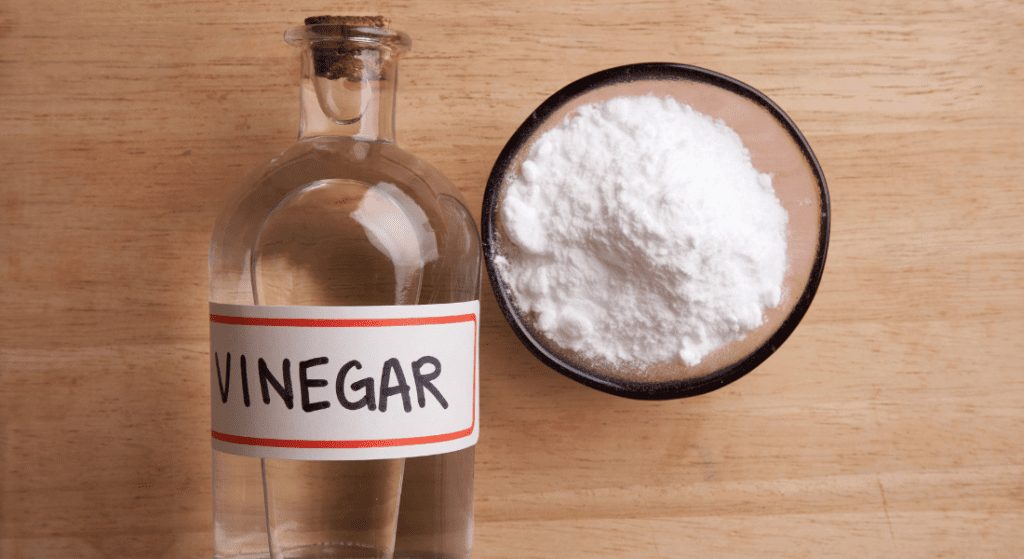
White Vinegar
White vinegar may help with certain mineral or alkaline residues, but it is not a universal treatment for grease, blood, ink, wine, and every other old stain. Acid can also affect some dyes and materials.
Never mix vinegar with chlorine bleach or use it in the same treatment unless a manufacturer explicitly says the combination is safe.
Baking Soda
Baking soda can absorb some fresh oil and help with odor, but it does not reliably remove every old or dried stain. Mixing baking soda and vinegar creates visible fizzing but also causes the acid and base to neutralize each other.
Hydrogen Peroxide
Hydrogen peroxide is an oxidizing bleach. It can help with certain stains on compatible colorfast fabrics, but it can also lighten dye and weaken some fibers. Do not automatically pour it on an unknown stain.
For detailed precautions, read our guide to the uses of hydrogen peroxide in laundry.
Hand-Dishwashing Liquid
A small amount of diluted hand-dishwashing liquid can help pretreat oil on many durable washable fabrics. It is not appropriate for every stain, and automatic dishwasher detergent should never be substituted.
Use the Right Guide for Each Stain
This page covers the general process for evaluating old or unknown stains. Once you identify the cause, use the more specific instructions below.
- Old oil stains: How to get oil stains out of clothes
- Grease stains: How to get grease stains out of clothes
- Red wine: How to remove red wine stains
- Blood: How to remove blood stains from clothes
- Pizza sauce: How to remove pizza sauce stains
- BBQ sauce: How to remove BBQ sauce stains
- Dye from another garment: How to remove dye transfer from clothes
- White residue or marks: How to remove white stains from clothes after washing
- Laundry-detergent marks: How to remove laundry-detergent stains
What If the Stain Is Really Fabric Damage?
Some marks cannot be removed because the fabric itself has changed. Examples include:
- Bleach spots and chemical color loss
- Scorching or melted synthetic fibers
- Permanent fading from sunlight
- Abrasion that removed surface dye
- Paint, adhesive, or ink that chemically bonded with the material
- Damage from previous stain-removal attempts
If a lighter patch has no residue and looks like missing color, washing will not restore the dye. Fabric dyeing, garment repair, creative covering, or replacement may be the realistic options.
When Should You Stop Treating an Old Stain?
Stop home treatment when:
- The care label says dry clean only
- The garment is made from silk, wool, leather, suede, or another specialty material
- The dye transfers to your test cloth
- The stained area becomes lighter, rougher, thinner, or distorted
- You do not know which chemicals were previously applied
- The substance may be hazardous
- The item is valuable, tailored, vintage, or irreplaceable
Tell a qualified cleaner what caused the stain, how old it is, and which treatments have already been used. Complete removal cannot be guaranteed.
Need Help With Washable Laundry in Clarksville?
The Dutchman’s Laundry provides drop-off wash and fold service in Clarksville, TN for suitable washable garments. Point out old stains when dropping off your laundry and explain which products have already been applied.
You can also pretreat your clothing and use our self-service laundromat in Clarksville.
Dry-clean-only, hazardous, specialty, leather, or suede items may not be appropriate for standard laundering. Confirm suitability with our team first.
🗺️ Get directions to The Dutchman’s Laundry
Old-Stain Removal Checklist
- Read the care label.
- Identify the likely stain and fabric.
- Determine whether the mark is soil or permanent damage.
- Remove dried surface material gently.
- Test the treatment on a hidden area.
- Use a stain-specific pretreatment.
- Follow the product’s dwell-time instructions.
- Wash at the appropriate temperature.
- Inspect before using the dryer.
- Air dry and repeat a safe treatment if necessary.
- Do not mix stain-removal chemicals.
Frequently Asked Questions About Old Stains
Can old stains still be removed from clothes?
Many old stains can be reduced or removed, but the result depends on the substance, fabric, age, heat exposure, and previous treatments. Permanent color or fiber damage cannot be washed away.
How do you get old stains out of clothes?
Identify the stain, apply a suitable prewash treatment or liquid laundry detergent, allow the recommended treatment time, and wash according to the garment’s care label. Air dry and repeat if necessary.
How do you remove set-in stains?
Set-in stains usually require concentrated pretreatment before washing. Choose the product according to the stain type and fabric rather than relying on a universal household mixture.
Can stains be removed after clothes have been dried?
Sometimes. Pretreat the dried stain, wash it again, and air dry while checking the result. Dryer-treated stains may require several attempts and may not disappear completely.
What is the best stain remover for old stains?
There is no single best product for every old stain. Enzyme treatments can work on many protein or food stains, detergent and surfactant-based treatments can help with oil, and specialty products are needed for stains such as rust or ink.
Should old stains be washed in hot or cold water?
It depends on the stain and fabric. Protein stains generally require cool water, while many oily stains respond to the warmest water allowed by the care label.
Does vinegar remove old stains?
Vinegar may help with certain residues but is not effective or safe for every old stain. Test first and never mix vinegar with chlorine bleach.
Can hydrogen peroxide remove old stains?
Hydrogen peroxide can oxidize certain stains, but it may also fade fabric dye. Use it only when the garment and treatment instructions permit it, and test a hidden area first.
Can you remove scorch marks from fabric?
Light surface discoloration may sometimes improve, but burned, melted, or chemically altered fibers cannot be restored through washing. Stop treatment if the fabric is brittle, thin, or damaged.
Sources and Review Method
This guide was reviewed against the American Cleaning Institute’s Stain Removal Guide, its current Laundry Basics guidance, and the Smithsonian Museum Conservation Institute’s discussion of stain-removal materials and risks. The garment care label and product directions should always take priority over general advice.
Written by
TDL Team
The laundry professionals behind The Dutchman’s Laundry in Clarksville, TN—family-owned since 2015. We share practical guidance based on the stains, fabrics, and laundry problems our team handles every day.