Updated August 15, 2026
Laundry advice is full of rules that sound convincing but do not apply to every washer, detergent, stain, or fabric. These common laundry myths can lead to wasted detergent, damaged clothes, stubborn residue, or unsafe appliance habits. The truth is usually simpler: read the garment care label, follow the laundry-product directions, and use the washer or dryer manufacturer’s instructions.
Quick answer: Cold water can clean many everyday loads, but it is not automatically right for every item or sanitation need. More detergent does not guarantee cleaner clothes. Dryer sheets and fabric softener are optional, freezing does not actually wash jeans, stains need stain-specific treatment, and both washers and dryers require maintenance.
10 Laundry Myths: Quick Truth Check
| Common claim | What is actually true |
|---|---|
| Hot water is always needed for clean laundry. | Many everyday loads can be washed in cooler water when the care label and detergent directions permit it. |
| More detergent means cleaner clothes. | The correct dose depends on the product, washer, load size, soil level, and water conditions. |
| Every dryer load needs a dryer sheet. | Dryer sheets are optional and may be unsuitable for certain performance fabrics or care instructions. |
| Bleach and fabric softener make clothes last longer. | They are specialized products, not universal garment-care requirements. |
| Every delicate must be dry cleaned. | The care label determines whether an item should be hand washed, machine washed, or professionally cleaned. |
| Freezing jeans cleans them. | Freezing does not remove dirt, body oils, spills, or stains. |
| Hot water removes every stain. | Stain treatment depends on the stain, fabric, dye, and care instructions. |
| Washing machines clean themselves. | Washers need manufacturer-directed cleaning and maintenance. |
| Cleaning the lint screen is all a dryer needs. | The lint screen, exhaust path, and venting system all require attention. |
| Modern laundry never needs sorting. | Sorting still helps manage dye transfer, lint, abrasion, temperature, and drying differences. |
Myth 1: Hot Water Is Always Necessary to Clean Clothes
Verdict: False. Water temperature is only one part of the washing process. Detergent formulation, cycle length, mechanical action, load size, and soil level also affect cleaning. Cooler water can work well for many lightly or moderately soiled loads when the garment label and detergent instructions allow it.
Hot or warm water may still be appropriate for certain soils, washable household items, or manufacturer-directed cycles. However, hotter water can contribute to fading, shrinkage, or fabric damage when it exceeds the safe temperature listed on the care label.
Cleaning and sanitizing are not the same thing. Do not assume that selecting “hot” on a household washer automatically disinfects a load. When sanitation is necessary, follow the garment label, washer manual, laundry-product directions, and applicable health guidance.
Myth 2: More Detergent Makes Clothes Cleaner
Verdict: False. Extra detergent can create excess suds, rinse poorly, or leave residue on fabrics and inside a washer. Using too little can also reduce cleaning performance. The goal is the correct dose—not the largest or smallest dose.
Measure detergent according to its label and consider the washer type, load size, soil level, and water conditions. High-efficiency machines require detergent marked for HE washers, but that does not mean guessing at an unusually small dose. Use the product’s HE instructions.
If detergent marks have already appeared, use our guide to removing laundry detergent stains from clothes. For help matching a product to the load, see how to choose laundry detergent.
Myth 3: Dryer Sheets Are Necessary for Every Load
Verdict: False. Dryer sheets are optional laundry additives. They can reduce static, add fragrance, and change fabric feel, but many loads dry successfully without them.
Check both the garment label and dryer-sheet directions. Fabric softening products may be unsuitable for some moisture-wicking fabrics, absorbent towels, microfiber, or flame-resistant garments. A product that is useful for one load may interfere with the intended performance of another.
Dryer sheets should also be used only as directed. Do not add extra sheets simply because a load is large, and never block the lint screen or dryer airflow.
Myth 4: Bleach and Fabric Softener Make Clothes Last Longer
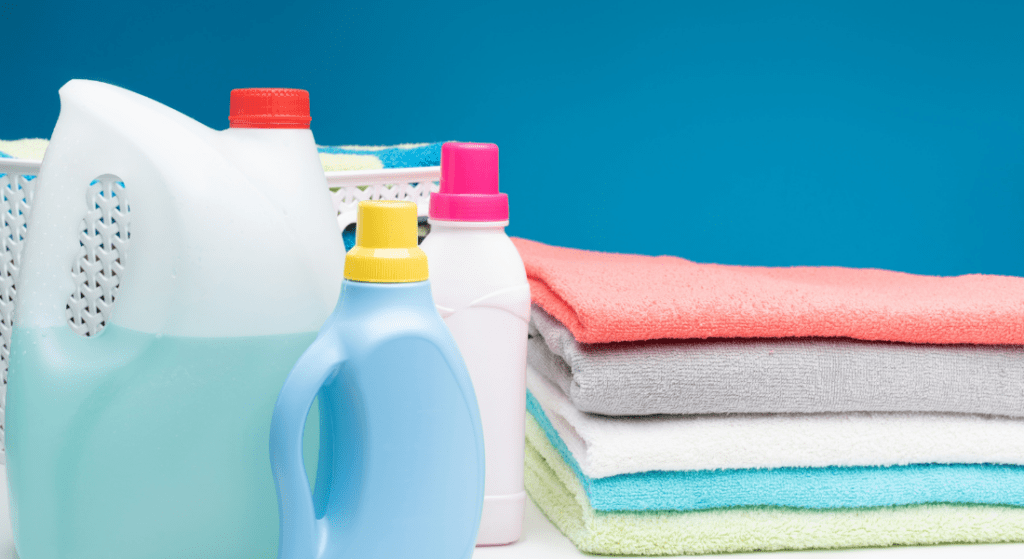
Verdict: False as a general rule. Bleach and fabric softener have specific purposes, but neither belongs in every load. Repeated use of an unsuitable bleach can weaken fibers or remove color. Fabric softener can coat fibers and may reduce absorbency or interfere with some performance finishes.
Check whether the garment allows chlorine bleach, non-chlorine bleach, or no bleach. Use fabric softener only when the garment and product directions permit it. Never mix bleach with ammonia, vinegar, acids, or other household cleaners.
There is also no universal reason to replace fabric softener with vinegar. Some washer manufacturers restrict putting vinegar directly into the machine because repeated exposure may affect certain components. Follow the appliance manual instead of relying on a one-size-fits-all home remedy.
Myth 5: Every Delicate Fabric Must Be Dry Cleaned
Verdict: False—but the care label decides. “Delicate” describes many different fibers and constructions. Some washable silk, wool, lace, lingerie, and fine knits may allow hand washing or a specialized machine cycle. Other items are labeled “dry clean only” and should not be placed in a home washer.
Do not decide based only on the fabric name. Linings, interfacing, dyes, embellishments, adhesives, pleats, and garment structure can change the approved cleaning method. Follow our complete guide to washing delicates, lingerie, and bras, while treating the garment’s care label as the final instruction.
Myth 6: Freezing Jeans Cleans Them and Removes Odor
Verdict: Misleading. Freezing may temporarily change how noticeable an odor is, but it does not remove accumulated dirt, body oils, food, spills, or stains. It is not a substitute for washing soiled jeans.
When jeans need cleaning, use the method on their care label. Turning washable jeans inside out, separating dark colors, using an approved cycle and temperature, and avoiding unnecessary heat can help manage fading. Never follow a freezer “hack” instead of instructions provided for the garment.
Myth 7: Hot Water Is Best for Every Stain
Verdict: False. A stain’s chemistry matters. The right first step for grease may be wrong for blood, dye transfer, ink, or an unknown mark. Hot water can make some stains more difficult to remove, while other washable stains may respond to the warmest temperature that is safe for the fabric.
Identify the stain when possible, check the care label, select a fabric-safe treatment, and spot-test it on a hidden area. Treat the stain before machine drying and inspect it afterward, because dryer heat can make some remaining marks harder to remove.
Use our guide to hot versus cold water for stain removal instead of automatically choosing the hottest setting.
Myth 8: Washing Machines Clean Themselves
Verdict: False. Detergent residue, lint, soil, moisture, and debris can collect in the drum, dispensers, door gasket, filter, or other machine-specific areas. A washer used to clean clothing still needs its own maintenance.
Follow the appliance manual for the correct cleaning cycle, product, frequency, filter access, and gasket or dispenser care. Do not pour vinegar, bleach, or another cleaner into a washer unless its manufacturer permits that method. Never combine cleaning products.
If clothing develops an odor even after a completed cycle, washer buildup is only one possible cause. Review why clothes can still smell after washing before adding more detergent or fragrance.
Myth 9: Cleaning the Lint Screen Is All the Dryer Maintenance You Need
Verdict: False. Cleaning the lint screen before or after each load is essential, but lint can also collect around the screen housing, exhaust duct, exterior vent, and other accessible areas identified in the dryer manual. Restricted airflow can lengthen drying time and contribute to overheating.
Keep the exhaust outlet unobstructed and follow the manufacturer’s inspection and cleaning schedule. Stop using the dryer if you notice burning odors, unusual heat, damaged venting, repeated shutdowns, or other signs of malfunction. Use a qualified service professional for internal cleaning, repairs, or vent work you cannot complete safely.
Myth 10: Sorting Laundry No Longer Matters
Verdict: False. Modern washers and detergents do not eliminate the possibility of color transfer, lint transfer, abrasion, or incompatible care requirements.
Sort loads using more than color:
- Color: Separate whites, lights, darks, and new strongly colored items when dye transfer is possible.
- Fabric weight: Keep lightweight or delicate items away from rough towels, jeans, and heavy hardware.
- Lint: Separate lint producers, such as some towels, from fabrics that attract lint.
- Care instructions: Group items that permit compatible cycles, temperatures, products, and drying methods.
- Soil level: Wash heavily soiled items separately when appropriate.
If loose dye has already moved onto another garment, follow our dye-transfer removal guide before placing the affected item in the dryer.
What These Laundry Myths Have in Common
Most bad laundry advice removes important context. “Always use cold water,” “always add softener,” and “never wash delicates” are all too broad. A reliable laundry decision considers four sources:
- The garment’s care label.
- The laundry product’s directions and warnings.
- The washer or dryer manufacturer’s manual.
- The stain, soil level, fabric, color, and garment construction.
When those instructions conflict with a social-media laundry hack, follow the documented instructions.
Frequently Asked Questions About Laundry Myths
Are dryer sheets toxic?
“Toxic” is too broad to apply to every dryer-sheet product or use. Use laundry products only as directed, follow all warnings, keep them away from children and pets, and do not use them on fabrics whose care instructions prohibit softening agents. If you prefer to avoid fragrance or fabric coatings, dryer sheets are optional.
Is fabric softener bad for clothes?
Not for every garment, but it can be unsuitable for certain towels, microfiber, moisture-wicking clothing, and flame-resistant fabrics. Check the clothing and product labels before using it.
Does cold water kill bacteria in laundry?
Cold water can clean many normal loads, but cleaning and sanitizing are different outcomes. Do not rely on water temperature alone when disinfection is needed. Follow the relevant garment, appliance, laundry-product, and health instructions.
Can too much detergent make clothes smell?
Excess detergent may rinse poorly and contribute to residue on clothing or inside the washer. Odor can also come from overloading, incomplete drying, trapped soil, mildew, or washer maintenance problems.
Can you clean a washing machine with vinegar?
Only if the washer manufacturer permits it and provides an approved method. Some manufacturers advise against putting vinegar directly into the machine. Use the cleaning cycle and product specified in the appliance manual.
Need a More Reliable Laundry Routine in Clarksville?
The Dutchman’s Laundry offers self-service laundry in Clarksville and drop-off wash and fold for eligible washable items. Check every care label and confirm special-care requirements with an attendant before leaving delicate, valuable, damaged, hand-wash-only, or dry-clean-only garments.
Key Takeaways
- Choose water temperature from the care label, soil, detergent directions, and cleaning goal.
- Measure detergent instead of assuming more will clean better.
- Dryer sheets, fabric softener, and bleach are optional products with fabric-specific limitations.
- Freezing may change odor temporarily, but it does not wash jeans.
- Treat stains according to their type instead of using hot water automatically.
- Maintain the washer, lint screen, dryer exhaust path, and vent according to the appliance instructions.
- Sort by color, fabric weight, lint, care requirements, and soil level.