The most effective way to remove pet hair from clothes is to remove as much dry hair as possible before washing. Shake the clothes outside, use a lint roller or rubber glove, and—if the care label permits—tumble the dry items for about 10 minutes on an air-only or no-heat dryer setting. Then wash a smaller, properly sorted load.
This dry-wash-dry approach works better than relying on the washer alone. Once pet hair becomes wet, it can clump together, remain trapped in textured fabric, or redeposit on other items.
The steps below work for cat hair, dog hair, everyday clothing, black clothes, fleece, towels, pet blankets, and washable bedding.
Pet hair taking over your laundry? Bring your clothes, towels, blankets, and washable bedding to The Dutchman’s Laundry. Our drop-off laundry service in Clarksville can handle everyday wash-dry-fold loads and pet hair-heavy laundry.
How to Get Pet Hair Off Clothes: The Quick Method
- Check the garment’s care label.
- Shake the dry clothing outside.
- Lift visible hair with a lint roller, brush, tape, or rubber glove.
- If permitted, tumble dry items for approximately 10 minutes using air-only or no heat.
- Clean the lint screen and shake the clothes again.
- Wash hairy items separately without overloading the machine.
- Dry according to the care label and remove remaining hair from the dry fabric.
For heavily covered clothes, repeat the dry removal step before washing rather than expecting water and detergent to remove every strand.
Why Pet Hair Stays on Clothes After Washing
Pet hair clings to clothing because of static electricity, friction, and fabric texture. Fine cat hair can work its way into knitted or woven fibers. Coarser dog hair may hook into fleece, towels, sweaters, and upholstery-like fabrics.
Several laundry mistakes can make the problem worse:
- Putting heavily covered clothes directly into the washer
- Overloading the washer or dryer
- Mixing pet bedding with regular clothing
- Using a cycle that does not give the load enough movement or rinsing
- Leaving accumulated hair in the washer drum or dryer lint screen
Wet pet hair may form clumps that stick to the washer drum, filter, or fabric. Removing dry hair before washing reduces the amount your machines must handle.
Step 1: Shake Out Dry Clothes Before Washing
Take the clothing, towel, blanket, or bedding outside and shake it thoroughly. This removes loose surface hair before it can spread through the laundry room or collect inside the washer.
Keep the item dry during this step. Dry hair is generally easier to lift, brush, or tumble away than wet hair.
Step 2: Remove Hair With a Lint Roller or Brush
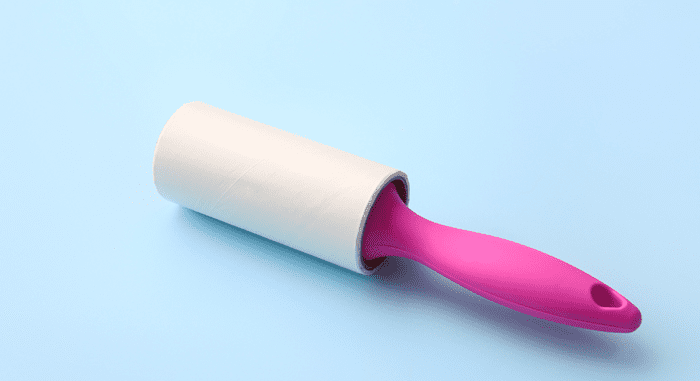
A lint roller is one of the fastest ways to get cat or dog hair off clothes. Work from the top of the garment toward the bottom and replace the adhesive sheet when it stops collecting hair.
For reusable options, try:
- A lint brush: Brush in one direction instead of rubbing back and forth.
- A pet-hair fabric brush: Useful on tightly woven clothing and heavier fabrics.
- A slightly damp rubber glove: Move your hand in one direction to gather hair into removable clumps.
- A barely damp microfiber cloth: Wipe gently across smooth, sturdy fabric.
- Wide masking or packing tape: Press the adhesive side against small areas when a lint roller is unavailable.
Test reusable brushes, gloves, and tape on an inconspicuous area first, especially on delicate knits, loosely woven materials, or fabrics with decorative finishes.
Step 3: Use the Dryer Before Washing
If the care label permits machine drying, place the dry, hair-covered items in the dryer before washing. Run an air-only, air-fluff, or no-heat cycle for approximately 10 minutes. Tumbling can loosen dry hair and move some of it into the lint screen.
- Clean the lint screen before starting.
- Load only dry, dryer-safe items.
- Select air-only or no heat.
- Check the load after about 10 minutes.
- Remove the items and shake them outside.
- Clean the lint screen again before the next dryer cycle.
Do not use high heat as a shortcut. Heat can shrink or damage wool, knits, elastic, synthetic fabrics, and other delicate items. Skip this step for anything marked “air dry,” “lay flat to dry,” or “do not tumble dry.”
Step 4: Sort Pet Hair-Heavy Laundry Separately
Do not wash heavily covered pet items with relatively clean clothing. Hair released from one item can settle onto everything else in the load.
Consider separating:
- Dog towels and pet-grooming cloths
- Cat and dog blankets
- Washable pet-bed covers
- Fleece jackets and sweatshirts
- Black clothing with visible hair
- Work clothes exposed to animals
- Comforters or bedding used by pets
Also sort the load according to color, fabric type, and care-label instructions. For oversized bedding, use a machine large enough for the item to move freely or consider our bulky-items laundry service.
Step 5: Do Not Overload the Washer
Clothes need room to move through the water. When a washer is packed too tightly, detergent and rinse water cannot circulate effectively, and loosened hair may stay on the fabric.
Use a smaller load or a larger-capacity machine. Follow the washer manufacturer’s loading instructions rather than pressing more items into the drum.
If you prefer to handle the load yourself, The Dutchman’s Laundry offers a self-service laundromat in Clarksville with machines for everyday and larger laundry loads.
Step 6: Wash According to the Care Label
After removing as much dry hair as possible, wash the clothes using the temperature and cycle recommended on their care labels. Measure detergent according to its directions and the size and soil level of the load.
- Use a suitable cycle for the fabric.
- Choose an extra rinse if the machine offers one and the care label permits it.
- Do not assume additional detergent will remove additional hair.
- Remove visible hair from the washer after the cycle.
- Check the machine’s manual for filter and drum-cleaning instructions.
Laundry detergent cleans body oils, dirt, and soil, but it does not dissolve pet hair. Mechanical removal, tumbling, sorting, and adequate rinsing do most of the hair-removal work.
Step 7: Dry and Remove Any Remaining Hair
Dry the clothes only as their care labels allow. Proper tumbling may release additional loose hair into the lint screen.
Clean the lint screen before and after the load. When the clothes are completely dry, finish stubborn areas with a lint roller, lint brush, rubber glove, or microfiber cloth.
Dryer sheets may reduce static on compatible fabrics, but they are optional and do not dissolve hair. Avoid using them on fabrics where the care instructions prohibit fabric softener, including some towels, athletic wear, and flame-resistant garments.
Still seeing pet hair after washing? Use our drop-off laundromat service and let our Clarksville laundry team take care of the washing, drying, and folding.
How to Get Cat Hair Out of Clothes
Fine cat hair can become embedded in knits, fleece, leggings, and other textured fabrics. Start with a lint roller or fabric brush, then use an air-only dryer cycle when the care label allows it.
For cat hair that is not coming off in the wash:
- Let the garment dry completely before trying to remove the remaining hair.
- Brush in one consistent direction.
- Repeat the lint-roller treatment on seams, cuffs, and waistbands.
- Wash cat bedding separately from clothing.
- Clean loose hair from the washer before running another load.
A second wash is not always the best first response. Dry mechanical removal is often more effective than immediately rewashing the item.
How to Remove Dog Hair From Clothes
Dog hair varies by breed and coat type. Short, stiff hairs may weave into fabric, while soft undercoat can collect in large clumps.
Use a rubber glove or fabric brush to collect thick clumps, followed by a lint roller for individual strands. Pay special attention to collars, cuffs, pockets, and the inside of pant legs. For dryer-safe clothing, use the no-heat pre-wash method before washing.
Do not wash dog blankets, grooming towels, or heavily covered work clothes with the rest of the household laundry.
How to Remove Pet Hair Without a Lint Roller
If you do not have a lint roller, several household tools can help:
- Rubber glove: Slightly dampen it and wipe in one direction.
- Microfiber cloth: Use it barely damp on sturdy fabric.
- Lint brush: Brush consistently with the fabric’s grain.
- Adhesive tape: Press and lift instead of dragging it across the garment.
- No-heat dryer cycle: Use only for dry, dryer-safe items.
Avoid soaking the garment before removing loose hair. Water can make the hair more difficult to collect and may create clumps inside the washer.
Removing Pet Hair From Black Clothes, Fleece, and Sweaters
Black and Dark Clothes
Pet hair is more visible on black clothing, so remove it before washing and again after drying. Wash dark garments inside out and follow the garment’s care instructions. See our complete guide to washing dark and black clothes without fading.
Fleece
Fleece attracts hair because of its textured synthetic surface. Shake it outside, use a fabric brush or lint roller, and wash it with similar synthetic fabrics rather than towels that may add more lint.
Wool and Knit Sweaters
Check the care label before using a dryer, adhesive tape, or aggressive brushing. Many sweaters should be hand washed or dried flat. Use a gentle garment brush and work slowly to avoid pulling or distorting the fibers.
Delicate and Embellished Clothing
Use the least aggressive method first. Avoid strong adhesive tape, rough brushes, and machine drying unless the label specifically permits them.
Pet Hair on Blankets, Bedding, and Comforters
Blankets and bedding collect more hair because pets often rest on them for hours. Before washing:
- Shake the item outside.
- Remove concentrated hair with a roller or brush.
- Check the care label.
- If permitted, run a short no-heat dryer cycle.
- Wash it separately in a machine with enough capacity.
Do not force a large comforter into a small washer. The item needs enough room to circulate, rinse, and dry properly. Read our guide on how to wash big blankets and comforters.
How to Clean Pet Hair From the Washer and Dryer
After washing a pet hair-heavy load, inspect the washer drum, door seal, dispensers, and any accessible filters. Follow the appliance manufacturer’s instructions for cleaning these areas.
- Remove loose hair from the empty washer after the drum has dried.
- Wipe the drum and door seal with a damp microfiber cloth.
- Clean accessible washer filters as directed in the owner’s manual.
- Clean the dryer lint screen before and after every cycle.
- Inspect the dryer vent regularly and arrange cleaning when needed.
Do not vacuum inside a wet washer. Let the machine dry and disconnect power first if the manufacturer’s cleaning instructions require it.
What Not to Do With Pet Hair-Covered Laundry
- Do not put heavily covered items straight into the washer.
- Do not overload the washer or dryer.
- Do not mix pet bedding with regular clothing.
- Do not use high heat on garments that may shrink or become damaged.
- Do not add extra detergent in an attempt to dissolve hair.
- Do not mix vinegar with chlorine bleach.
- Do not ignore the washer filter, dryer lint screen, or dryer vent.
Does Vinegar Remove Pet Hair From Clothes?
White vinegar does not dissolve or directly remove pet hair. Some people use it in the rinse cycle to reduce residue or static, but suitability depends on the washer and fabric.
Check both the garment care label and washer manual before using vinegar. Never mix vinegar with chlorine bleach, and do not pour it directly onto clothing. The lint-roller and no-heat dryer methods should remain the primary removal steps.
How to Prevent Pet Hair From Covering Future Laundry
- Brush pets regularly to collect loose hair at the source.
- Keep clean clothes inside closets or closed drawers.
- Wash pet bedding and pet towels separately.
- Shake blankets outside before putting them in a hamper.
- Vacuum furniture and pet sleeping areas regularly.
- Keep a lint roller or reusable brush near the laundry basket.
- Clean the washer, lint screen, and dryer vent routinely.
Washable furniture covers can also reduce the amount of hair transferred to everyday clothing.
Pet Hair Laundry Services in Clarksville, TN
The Dutchman’s Laundry helps Clarksville households with everyday clothing, towels, blankets, comforters, and other washable laundry. Choose the service that works best for your schedule:
- Drop-off wash-dry-fold service
- Self-service laundromat
- Bulky-items laundry service
- Laundry pickup and delivery in Clarksville
Tell our team when a load contains a significant amount of pet hair so the items can be evaluated and handled appropriately.
Frequently Asked Questions
What removes pet hair from clothes the fastest?
A lint roller is usually the fastest option for surface hair. For heavily covered, dryer-safe clothes, follow it with approximately 10 minutes of air-only tumbling before washing.
Should I remove pet hair before washing clothes?
Yes. Remove as much dry hair as possible before washing. Wet pet hair can clump, remain on fabric, and collect inside the washer.
How do I get hair off clothes in the dryer?
Place dry, dryer-safe clothing in the dryer and use an air-only or no-heat cycle. Check the load after about 10 minutes, then clean the lint screen. Always follow the garment’s care label.
Why is pet hair still on my clothes after washing?
The load may have been too large, the hair may have been embedded in textured fabric, or loose hair may have redeposited during washing. Let the clothing dry and use a lint roller or brush before deciding whether it needs to be washed again.
Can a washing machine remove all cat and dog hair?
Not reliably. A standard washer may remove some loose hair, but it is not designed to dissolve it. Pre-wash brushing and no-heat tumbling can substantially reduce the amount entering the washer.
Do dryer balls remove pet hair?
Dryer balls may improve tumbling and reduce static in some loads, which can help loosen hair. They do not capture or dissolve hair, so the lint screen still needs to be cleaned.
Do dryer sheets remove pet hair?
Dryer sheets may reduce static and help some hair release from compatible fabrics. They are not suitable for every garment and may affect the absorbency or performance of certain materials.
How do I remove pet hair from clothes without a lint roller?
Use a rubber glove, microfiber cloth, lint brush, or a small amount of adhesive tape. For dry, dryer-safe items, an air-only dryer cycle can also loosen hair.
Can I wash pet blankets with my clothes?
It is better to wash heavily covered pet blankets separately. This prevents their hair from transferring to regular clothing and gives bulky items more room to circulate.
Does washing remove pet dander?
Laundering can remove loose hair, dirt, and some material attached to the fabric, but it cannot guarantee complete allergen removal. Follow the item’s care instructions and seek appropriate professional guidance when allergies are a concern.
Related Laundry Guides
- How to wash big blankets and comforters
- How to wash pillows and how often you should do it
- How to wash dark and black clothes without fading
- How to do laundry without damaging your clothes
- How to choose laundry detergent
- More laundry tips
Key Takeaways
- Remove dry pet hair before putting clothes into the washer.
- Use a lint roller, brush, rubber glove, or microfiber cloth.
- For dryer-safe items, try approximately 10 minutes of no-heat tumbling before washing.
- Wash heavily covered clothes and pet bedding separately.
- Do not overload the washer or dryer.
- Clean the washer and dryer lint screen after pet hair-heavy loads.
- Always follow the fabric care label and appliance instructions.
Written by
TDL Team
The laundry professionals behind The Dutchman’s Laundry in Clarksville, TN—family-owned since 2015. We share tips based on what we see and solve every day in our laundromat.