Sweat stains and deodorant marks on your favorite white shirt or dress shirts can be embarrassing and frustrating, particularly when regular washing fails to remove the yellowing discoloration around the underarms. These stubborn stains result from a complex chemical reaction between perspiration, body oils, and the ingredients in antiperspirants—particularly aluminum compounds that create persistent marks on both white clothing and colored fabrics. Understanding effective methods for removing sweat stains and deodorant stains saves your wardrobe from premature retirement and keeps you looking professional and confident. This comprehensive guide provides expert advice on stain removal using household ingredients, explains why these armpit stains form, and offers simple tips to help prevent future discoloration so you can wear your favorite garments without worry.
Why Do Sweat Stains and Deodorant Stains Form?
Understanding the science behind sweat and deodorant stain formation helps you choose the most effective removal strategies and prevent future problems. These discolorations aren’t simply perspiration marks—they’re chemical reactions occurring in fabric fibers.
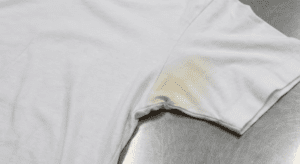
Sweat itself is primarily water and salt, which typically doesn’t create permanent staining. The yellow stains that appear on white shirts develop when sweat interacts with the ingredients in your deodorant or antiperspirant. Most antiperspirants contain aluminum compounds like aluminum chloride or aluminum zirconium that temporarily block sweat glands. When these aluminum-based ingredients mix with perspiration and body oils, they create a chemical reaction that bonds to fabric, producing the characteristic yellow discoloration around underarm areas.
The staining process intensifies with heat and time. When you put a garment with sweat and deodorant residue through a hot wash cycle or dryer, the heat sets the stain deeper into the fabric fibers, making it progressively harder to remove. This explains why pit stains often worsen with repeated washing rather than improving. The combination of proteins in sweat, aluminum in deodorant, and heat from laundry creates a perfect storm for permanent discoloration unless properly treated.
What Are the Best Household Ingredients to Remove Sweat Stains?
You don’t need expensive commercial products to tackle sweat stains effectively—several common household items work remarkably well for removing stains from shirts when used correctly.
Baking soda stands out as one of the most versatile stain-removal agents. To use it effectively, make a paste using 4 tablespoons of baking soda mixed with enough water to create a thick consistency. Apply this paste directly to the stained area, covering it completely. Use an old toothbrush or a clean toothbrush to gently scrub the mixture into the fabric fibers, then let it sit for at least one hour. For set-in stains, allowing the paste to work overnight produces better results. The alkaline properties of baking soda (also known as bicarbonate of soda) help break down the acidic components in sweat while its mild abrasiveness lifts residue from fabric.
White vinegar provides another powerful option for stain removal. The acetic acid in vinegar dissolves the mineral deposits and aluminum compounds responsible for yellow discoloration. Pour white vinegar directly onto the stain until it’s thoroughly saturated, or soak the entire garment in a solution of one part vinegar to two parts water for 30 minutes before washing. Vinegar also neutralizes odors, addressing both visual stains and lingering sweat smell. For extra stain-busting power, combine vinegar and baking soda—apply vinegar first, then sprinkle baking soda over the wet area to create a fizzing reaction that helps lift stubborn stains from deep within fabric fibers.
How Do You Remove Yellow Sweat Stains from White Shirts?
Yellow stains on white shirts present a particular challenge since the discoloration is highly visible against the light fabric. Several targeted approaches effectively restore white clothing to its original brightness.
The most effective method for removing yellow stains from white garments combines hydrogen peroxide and baking soda. Mix equal parts hydrogen peroxide and baking soda to create a paste—typically 2 tablespoons of each works well. Apply this mixture generously to the yellowed underarm areas, making sure to cover all discoloration. Use a toothbrush to work the paste into the fabric, then allow it to sit for at least one hour. For severe yellow stains, let the treatment work for several hours or overnight. The hydrogen peroxide acts as a gentle bleach that breaks down the chemical bonds in the stain without the harsh effects of chlorine bleach that can weaken fabric.
For particularly stubborn yellow stains that resist the peroxide treatment, try using lemon juice. The citric acid in lemon juice naturally bleaches fabric while breaking down the proteins and oils that contribute to discoloration. Apply fresh lemon juice to the stain, or rub the stained area with a cut lemon half to saturate it thoroughly. Place the garment in direct sunlight for 30 minutes to an hour—the combination of citric acid and UV rays creates a powerful natural bleaching effect. After sun treatment, rinse the area with cold water and launder as usual. This method works exceptionally well on white cotton shirts and is gentler on fabric than chemical bleaches.
What’s the Proper Way to Remove Deodorant Stains from Clothes?
Deodorant marks and deodorant stains require slightly different treatment than pure sweat stains since they involve both the waxy residue and chemical components from antiperspirant products.
For fresh deodorant marks—the white streaks that appear immediately after application—you can often remove the stain without washing. Take a clean, dry section of the same garment or a piece of nylon stocking and vigorously rub the stained area. The friction transfers the deodorant from the stained fabric to the clean material. This mechanical removal works because fresh deodorant hasn’t yet bonded chemically with fibers. For marks that resist dry rubbing, try rubbing the area with a slightly damp cloth using circular motions.
For deodorant stains that have set into fabric—appearing as crusty buildup or yellowing around armpit areas—pretreatment before washing is essential. Apply liquid laundry detergent directly to the stain, working it in with your fingers or a toothbrush. Alternatively, create a paste from powdered oxygen bleach and water, apply it to the stain, and let it sit for 30 minutes before washing. Oxygen bleach (sodium percarbonate) works as an effective laundry booster that breaks down both the aluminum compounds and the oils in deodorant without damaging colored fabrics. After pretreating, wash the garment in the hottest water the care label allows, checking that stains are completely gone before machine drying to avoid setting any remaining discoloration.
How Can You Remove Sweat Stains from Colored Shirts Without Damaging Them?
Colored shirts require careful stain treatment to remove sweat and deodorant marks without causing fading or discoloration to the fabric itself.
The safest approach for colored shirts combines gentle ingredients that won’t affect dyes. Mix one tablespoon of baking soda with one tablespoon of hydrogen peroxide and one tablespoon of water to create a paste. Apply this to the stained area and let it work for 30-60 minutes. Unlike chlorine bleach, which strips color from fabric, hydrogen peroxide in this diluted form provides effective stain removal while remaining safe for most colored fabrics. Always test on an inconspicuous area first—inside a seam or hem—to verify the treatment won’t affect the garment’s color.
For dark colored shirts where even diluted peroxide might cause concern, white vinegar offers the safest option. Soak the underarm area in undiluted white vinegar for 30 minutes, then gently scrub with a soft brush before washing. Vinegar’s acidity breaks down the mineral deposits and aluminum that create yellow tones without bleaching fabric dyes. For particularly stubborn stains on colored garments, try an enzymatic stain remover designed to break down protein-based stains. These specialized products target the proteins in sweat and body oils without harsh chemicals that might damage color, following the directions on the product label for best results.
What Are Advanced Methods for Stubborn Set-In Sweat Stains?
When standard treatments fail to completely remove the sweat stain, several advanced techniques can tackle even the most persistent discoloration.
One powerful method involves aspirin tablets, which contain salicylic acid that effectively breaks down protein and oil-based stains. Crush 3-4 aspirin tablets into powder, mix with warm water to create a paste, and apply to the stained area. Let this sit for 2-3 hours, using a toothbrush to periodically scrub the paste into the fabric. The acetylsalicylic acid works similarly to vinegar but with greater stain-busting strength. After treatment, rinse thoroughly and wash as normal. This method works particularly well on white shirts and light-colored natural fabrics like cotton.
For extremely stubborn yellow stains on white garments, a soaking method using oxi products (powdered oxygen bleach) provides intensive treatment. Fill a basin with hot water and add powdered oxygen bleach according to package directions—typically 1-2 scoops per gallon of water. Submerge the entire garment and soak for 4-6 hours or overnight, occasionally agitating the water to work the solution through fabric fibers. This extended treatment allows the oxygen bleach to penetrate deeply and break down even set-in stains that have resisted other methods. After soaking, check if the stain has lifted, and if any yellowing remains, apply the hydrogen peroxide and baking soda paste directly to those areas before washing.
For valuable dress shirts or delicate garments where aggressive treatment might cause damage, consider using a commercial enzymatic stain remover like Persil or similar products specifically formulated for protein stains. These products contain enzymes that biologically break down the proteins and oils in sweat without requiring harsh scrubbing or chemicals. Apply the product according to label directions, usually letting it sit for 15-30 minutes before washing, and repeat if necessary for removing stains completely.
How Should You Prevent Sweat Stains from Forming?
Prevention requires less effort than removal, making these simple tips essential for maintaining your wardrobe without constant stain-removal battles.
The most effective prevention strategy involves switching to aluminum-free deodorant. Since aluminum compounds in antiperspirants cause the chemical reaction that creates yellow stains, eliminating this ingredient prevents the primary staining mechanism. While aluminum-free products may not block sweat as effectively as antiperspirants, many people find natural deodorants adequate for odor control. If you prefer antiperspirant protection, apply it at night before bed rather than in the morning—this allows the product to bond with skin and be absorbed before you dress, reducing transfer to clothing.
Wearing an undershirt creates a protective barrier between your skin and outer garments. The undershirt absorbs sweat and deodorant, taking the staining burden so your dress shirts and nice tops stay clean. Choose undershirts made from natural fabrics like cotton that absorb moisture well, or consider sweat-proof undershirts with special moisture-wicking and stain-resistant properties designed specifically to prevent sweat from reaching outer clothing. While adding another layer might feel uncomfortable initially, it significantly extends the life of expensive dress shirts and colored shirts.
Additional prevention methods include applying less deodorant than you might typically use—most people over-apply, increasing residue and staining without improving protection. Wait 2-3 minutes after application to allow the product to dry completely before dressing. Wash garments promptly after wearing, particularly after an intense workout or hot day, as allowing sweat and deodorant to sit on fabric for extended periods makes stain formation more likely. These combined strategies help prevent sweat stains and deodorant marks before they develop.
What’s the Correct Washing Process to Remove Stains?
Proper washing technique is just as important as the pretreatment you apply. Following the right sequence maximizes stain removal while protecting your garments.
Always pretreat stains before putting garments in the washing machine. Apply your chosen treatment—whether baking soda paste, vinegar, hydrogen peroxide mixture, or commercial stain remover—and let it work for the recommended time. Don’t skip this step, thinking the washing machine will handle it; pretreating significantly improves removal success. Use a toothbrush to gently work the treatment into fabric fibers, paying special attention to the most discolored areas around the underarms.
Wash in the hottest water safe for the fabric according to the care label. Hot water dissolves oils and breaks down stain compounds more effectively than cold water. However, check garment labels carefully—some fabrics require cool or warm water to prevent shrinkage or damage. Add your regular laundry detergent plus a stain-removal boost, such as oxygen bleach or white vinegar, to the wash cycle. For white shirts with persistent yellow stains, adding half a cup of baking soda to the wash load enhances cleaning power without damaging fabric.
Critically important: never put stained garments in the dryer until you’ve verified the stain is completely gone. Heat from the dryer permanently sets stains by bonding them chemically with the fabric at the molecular level. After washing, inspect the underarm area while the garment is still damp. If any discoloration remains, treat it again and rewash before drying. Once satisfied that the stain has been removed completely, you can safely dry the garment. For best fabric care, air-dry delicate items or use the lowest heat setting on your dryer.
Are There Special Considerations for Different Fabric Types?
Different fabrics require adapted approaches to removing stains without damaging the material. Understanding these variations prevents inadvertent damage while improving cleaning effectiveness.
Natural fabrics like cotton and linen tolerate aggressive stain-removal methods well. You can safely use hot water, bleach (oxygen or chlorine for whites), intensive scrubbing with a toothbrush, and extended soaking periods on these durable materials. Cotton dress shirts and white cotton tees withstand most treatments without damage, making them the easiest garments from which to remove the sweat and deodorant stains. The strong fiber structure resists both mechanical action and chemical treatments, allowing you to apply elbow grease when scrubbing stubborn stains.
Synthetic fabrics like polyester, nylon, and performance athletic wear need gentler handling. These materials can be damaged by high heat or chlorine bleach, and some stain-removal chemicals may cause discoloration. Use warm rather than hot water, avoid chlorine-based bleaches, and opt for oxygen bleach or vinegar-based treatments instead. The baking soda paste method works well on synthetics, providing effective stain removal without harsh chemicals. For athletic wear with moisture-wicking properties, avoid fabric softeners and chlorine as they can damage the technical fabric finish.
Delicate fabrics, including silk, wool, and fine dress shirts with special finishes, require the most careful approach. Spot-treat these garments with diluted solutions rather than full-strength chemicals. Mix one part white vinegar or hydrogen peroxide with two parts water, apply gently to the stained area, and limit scrubbing to prevent damage. Hand washes delicate items in cool water rather than exposing them to machine washing’s agitation. For valuable garments, consider professional cleaning to remove stains without damaging the fabric or finish. Always test any stain-removal method on an inside seam or hidden area before applying it to visible portions of delicate garments.
When Should You Use Commercial Stain Removers vs Household Items?
Deciding between commercial products and household ingredients depends on several factors, including stain severity, fabric type, and time available for treatment.
Household ingredients like baking soda, white vinegar, hydrogen peroxide, and lemon juice work effectively for most sweat and deodorant stains while being gentler on fabrics and more economical than commercial products. These simple solutions handle fresh to moderately set-in stains on everyday garments like t-shirts, casual dress shirts, and undergarments. The ingredients are safe for most fabrics, readily available, and allow you to control concentration for different fabric sensitivities. For routine stain removal and preventive treatment, household methods provide excellent results without special purchases.
Commercial stain removers become worthwhile for particularly stubborn stains that resist household treatments, valuable garments where you want professional-grade results, or when you need convenience over cost savings. Products like enzymatic stain removers, oxygen bleach boosters, and specialized formulas for protein-based stains offer concentrated stain-fighting power that may work faster or more completely than diluted household ingredients. These products undergo testing and formulation to target specific stain types, potentially providing superior results on challenging cases. Expert advice from product manufacturers can guide usage for optimal results on different fabric types.
A practical approach combines both: use household ingredients for regular prevention and first-line treatment, reserving commercial products for stubborn stains that don’t respond to initial efforts. This strategy provides economical everyday care while ensuring you have effective options for tough stain-removal challenges. Regardless of which products you choose, the key principles remain the same: pretreat promptly, avoid heat until stains are gone, and test treatments on hidden areas of delicate fabrics before full application.
Drop-Off Wash, Dry & Fold Service
If you’re in Clarksville, let The Dutchman’s Laundry handle it for you.
Just
drop it off — we’ll wash, dry, and neatly fold everything.
Only $2.10 per pound
10 lb minimum
Perfect for:
- Clothing
- Dress shirts
- Linens & towels
- Blankets & comforters
- Large or bulky loads
Save time. Skip the stress. Get your laundry back fresh and ready to wear.
Stop by today and let us do the work for you.
Frequently Asked Questions About Removing Sweat and Deodorant Stains
Q. Can I use chlorine bleach on colored shirts to remove yellow sweat stains?
A. No, chlorine bleach will strip color from colored fabrics, potentially creating permanent white spots or faded areas. Use oxygen bleach instead—it’s color-safe and effectively removes yellow stains without damaging dyes. Chlorine bleach should only be used on white clothing, and even then, oxygen bleach often works just as well without the harsh effects on fabric fibers.
Q. Why do my white shirts turn yellow even though I wash them regularly?
A. The yellowing results from ingredients in your deodorant (particularly like aluminum compounds) reacting with sweat proteins and body oils. Regular washing without pretreatment doesn’t break down these chemical bonds, and heat from the dryer actually sets the stains deeper. To prevent this, pretreat underarm areas before each wash and ensure stains are completely removed before drying.
Q. How long should I let stain treatments sit before washing?
A. For fresh stains, 30 minutes to one hour usually suffices. For set-in yellow stains, let treatments work for 2-3 hours or overnight for best results. The longer dwell time allows cleaning agents to penetrate deep into fabric fibers and break down stubborn stain compounds. Just don’t let treatments dry completely—keep the area slightly damp for active stain removal.
Q. Will removing sweat stains damage my dress shirts?
A. Proper stain-removal methods won’t damage garments when you follow care label instructions and use appropriate techniques for the fabric type. The key is testing treatments on hidden areas first, avoiding excessive heat, and using gentle scrubbing rather than aggressive abrasion. Methods for removing sweat stains correctly actually extend garment life by preventing permanent discoloration.
Q. Can old, set-in sweat stains be removed, or are they permanent?
A. While set-in stains are more challenging, they’re often not permanent. The aspirin method, extended soaking in oxygen bleach, or repeated applications of hydrogen peroxide and baking soda paste can remove even years-old yellow stains. Success isn’t guaranteed—stains that have been heat-set multiple times may resist all efforts—but many supposedly permanent stains respond to persistent treatment.
Q. Is there a way to remove sweat stains and deodorant odor at the same time?
A. Yes, white vinegar and baking soda both neutralize odors while removing stains. Vinegar is particularly effective at eliminating the bacteria that cause sweat odor while breaking down stain compounds. The baking soda paste method also absorbs and neutralizes odors. For maximum odor removal, soak garments in a vinegar solution before applying other stain treatments.
Key Takeaways: Essential Points for Removing Sweat and Deodorant Stains
- Chemical reaction causes yellow stains: The yellow discoloration on white shirts results from aluminum in deodorant reacting with sweat proteins and body oils, not from perspiration alone
- Never dry garments until stains are gone: Heat from the dryer permanently sets stains by bonding them with fabric at the molecular level; always inspect damp garments and retreat if needed
- Hydrogen peroxide and baking soda are most effective: This combination breaks down the chemical bonds in yellow sweat stains without harsh bleach effects, working on both white and colored fabrics
- Pretreatment is essential: Applying stain-removal solutions directly to affected areas before washing dramatically improves success compared to relying on detergent alone
- White vinegar dissolves aluminum compounds: The acetic acid in vinegar effectively breaks down the mineral deposits responsible for staining while neutralizing odors
- Prevention is easier than removal: Switch to aluminum-free deodorant, wear undershirts, and wash garments promptly after wearing to prevent stain formation
- Different fabrics need different methods: Cotton tolerates aggressive treatments while synthetics and delicates require gentler approaches; always check care labels and test on hidden areas
- Hot water improves stain removal: Use the hottest water safe for the fabric to dissolve oils and break down stains more effectively than cold water washing
- Commercial products aren’t always necessary: Household ingredients like baking soda, vinegar, hydrogen peroxide, and lemon juice effectively remove most sweat stains economically
- Persistence often succeeds: Stubborn set-in stains may require multiple treatments or overnight soaking, but repeated applications of the right methods usually work eventually
Still dealing with tough stains beyond just your shirts?
If you’re battling sweat stains, spills, or mystery spots on your mattress, that article walks you step-by-step through:
- How to remove common mattress stains
- What household ingredients actually work
- How to eliminate odors
- How to prevent future buildup
Because clean laundry is great — but a clean mattress matters too.