
Updated August 15, 2026
Quick answer: To remove sweat stains from a washable white shirt, pretreat the underarm area with liquid laundry detergent or a prewash stain remover, gently work it into the fabric, and let it sit according to the product label. For stubborn yellowing on a garment that allows non-chlorine bleach, soak it in an oxygen-bleach solution mixed according to the label. Wash in the hottest water permitted by the care label, then inspect the shirt before drying. If the stain remains, repeat the treatment and air-dry the shirt instead of putting it in the dryer.
Safety first: Check the shirt’s care label and spot-test any treatment on a hidden seam. Never mix chlorine bleach with vinegar, ammonia, hydrogen peroxide, or other cleaning products. Use one treatment at a time and rinse the garment thoroughly before trying a different one.
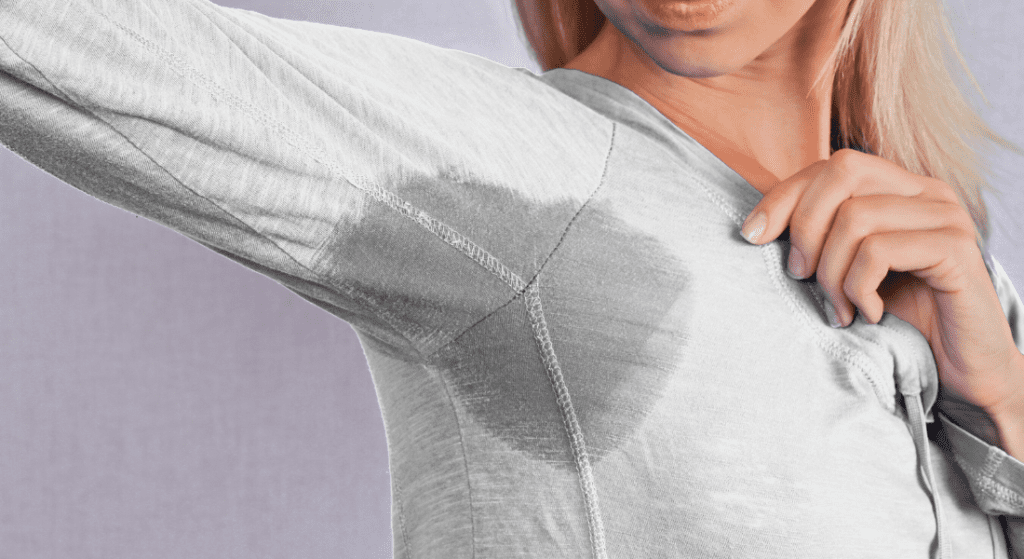
How to Remove Sweat Stains From White Shirts Step by Step
This method is a practical starting point for washable white cotton, linen, polyester, and many blends. The care label always takes priority because fiber content, finishes, buttons, trim, and stretch material can change what is safe.
- Read the care label. Do not use a home soaking method on a dry-clean-only shirt. Avoid any bleach the label prohibits. Take silk, wool, acetate, and valuable tailored shirts to a cleaner if you are unsure.
- Rinse the stained area. Turn the shirt inside out and rinse from the back of the underarm area with cool or lukewarm water. This helps move loose residue out of the fibers instead of pushing it farther in.
- Pretreat with detergent or stain remover. Apply a small amount of liquid laundry detergent, liquid hand-dishwashing detergent, or a prewash laundry stain remover. Gently work it into the stain with clean fingers or a soft laundry brush. Do not scrub so hard that the fabric pills or thins.
- Allow time to work. Follow the product’s stated pretreatment time. Do not let a stain-removal product dry on the shirt unless its label specifically permits it.
- Use oxygen bleach for persistent yellowing. If the garment permits non-chlorine bleach, mix an oxygen-bleach soak exactly as the package directs. Soak for the labeled time. The University of Georgia Extension recommends a 15- to 30-minute warm-water soak with an oxygen-type bleach as one approach for washable perspiration stains.
- Wash according to the care label. Use a good detergent and the hottest water temperature the garment safely allows. “Hottest safe” does not always mean hot; many synthetics, stretch fabrics, and finished dress shirts require warm or cool water.
- Inspect before drying. Check the underarm area while the shirt is still damp. Dryer heat and ironing can make remaining deodorant or perspiration discoloration harder to remove. Repeat the pretreatment if needed, then air-dry until you are satisfied with the result.
Why Do White Shirts Turn Yellow Under the Arms?
Yellow underarm marks are not always caused by perspiration alone. Sweat contains water and salts, while skin contributes body oils and other residue. Antiperspirant can add aluminum-based ingredients, and deodorant can leave waxy or oily buildup. As these materials collect in the fabric and go through repeated wash-and-dry cycles, the underarm area may become yellow, stiff, grey, or dull.
Deodorant and antiperspirant are not the same thing. Deodorant primarily controls odor, while antiperspirant reduces wetness and commonly contains aluminum salts. Either product can leave residue if too much is applied or the product transfers to a shirt before it dries.
Prompt treatment matters. Perspiration residue can weaken fibers over time, and repeated heat can make old discoloration more difficult to lift. That is why pretreating the underarms and checking the shirt before drying usually works better than repeatedly washing and machine-drying it without treatment.
How to Treat Fresh Perspiration and Deodorant Stains
Fresh stains usually need less treatment than old yellow underarm stains. Rinse the area, apply liquid detergent or a prewash stain remover, let it work for the time stated on the label, and wash the shirt promptly. For a fresh white deodorant streak that is sitting on the surface, gently rubbing it with a clean, dry section of fabric may be enough before washing.
If the underarm area feels waxy or stiff, liquid hand-dishwashing detergent can help loosen oily deodorant buildup. Use only a small amount, rinse it well, and then launder the shirt. Do not pour hand-dishwashing liquid directly into a washing machine because excess suds can cause problems.
How to Remove Old or Set-In Sweat Stains
Old perspiration stains may require more than one treatment. There is no guaranteed home method for every garment, especially if the shirt has been dried or ironed many times or if the fibers have experienced a permanent color change.
- Pretreat the dry or slightly damp underarm area with liquid detergent or an enzyme-containing laundry stain remover that is approved for the fabric.
- If the care label allows non-chlorine bleach, soak the shirt in oxygen bleach according to the package directions. Keep the entire shirt submerged so the white fabric does not develop uneven patches.
- Wash with detergent at the hottest temperature the care label permits.
- Inspect while damp. Repeat the same safe treatment rather than immediately combining several household chemicals.
Can You Use 3% Hydrogen Peroxide?
Three-percent hydrogen peroxide may help with persistent perspiration odor or discoloration on some washable, white or colorfast fabrics. However, it can lighten dyes and may damage some fibers or finishes. Spot-test first, use it only if the care label permits bleaching, limit contact time, rinse thoroughly, and wash afterward. University of Georgia Extension suggests 15 to 20 minutes when 3% peroxide will not harm the fabric’s color. Do not mix peroxide with vinegar, chlorine bleach, ammonia, or another stain remover.
For most people, a labeled oxygen-bleach laundry product is easier to measure and use consistently than a homemade peroxide paste.
Choose a Treatment That Matches the Fabric
| Shirt material | Safer starting approach | Important cautions |
|---|---|---|
| White cotton or linen | Liquid detergent or prewash stain remover, followed by a labeled oxygen-bleach soak if permitted | Check the label for shrinkage, finishes, trim, and bleach restrictions; avoid harsh scrubbing |
| White polyester or a cotton-poly blend | Liquid detergent and a color-safe oxygen product approved for synthetics | Avoid excessive heat; high dryer temperatures can set residue and damage fibers |
| Performance fabric or a shirt containing elastane | Detergent designed for washable synthetics, using the labeled temperature | Avoid chlorine bleach and fabric softener when prohibited by the care label |
| Silk, wool, acetate, dry-clean-only, or valuable tailored shirts | Professional care | Do not assume a cotton-shirt method is safe; avoid soaking and home bleaching unless the label expressly allows it |
Common Sweat-Stain Removal Mistakes
- Drying the shirt before checking it: Heat can make remaining discoloration more difficult to remove. Inspect first and air-dry during treatment.
- Mixing vinegar and baking soda: The fizz looks active, but the acid and base largely neutralize each other. It is more useful to choose one appropriate, labeled treatment.
- Combining cleaning chemicals: Never create a stronger “cocktail.” Some combinations can release dangerous gases or create irritating compounds.
- Assuming peroxide is safe for every shirt: Peroxide can fade color and affect some fibers, finishes, or trim. Spot-test and follow the care label.
- Using chlorine bleach automatically: A white shirt is not necessarily chlorine-bleach-safe. Follow both the garment label and bleach label, and never mix chlorine bleach with other cleaners.
- Scrubbing aggressively: Hard brushing can roughen, thin, or distort the underarm fabric without removing a permanent color change.
- Using the same method on every fiber: Cotton, polyester, elastane, wool, and silk respond differently to heat, soaking, and bleaching.
How to Prevent Yellow Underarm Stains
- Wash or rinse sweaty shirts soon after wearing them instead of leaving them in a hamper for several days.
- Apply deodorant or antiperspirant in a thin, even layer and let it dry before dressing.
- Pretreat the underarm area when you first notice stiffness, residue, or faint yellowing.
- Wear a washable undershirt with dress shirts when appropriate.
- Use the correct amount of detergent. Too much detergent can leave residue; too little may not remove body oil effectively.
- Do not overload the washer. Shirts need enough water and movement for loosened soil to rinse away.
- Check the underarms before machine drying or ironing.
What If the Whole White Shirt Looks Yellow or Grey?
When discoloration covers more than the underarms, the problem may be detergent or mineral buildup, dye transfer, soil redeposition, fiber damage, or repeated washing with mixed colors. Use our separate guide on how to whiten white clothes that have greyed. For stains that have survived multiple washes, see our guide to removing old stains from clothes.
Need Help With Stained Laundry in Clarksville?
If you would rather leave your everyday laundry to a local team, The Dutchman’s Laundry offers drop-off wash, dry, and fold service in Clarksville, TN. Point out stains when you drop off the garment so the team can note them before washing. Stain removal depends on the fabric, the stain’s age, previous heat exposure, and the care label, so complete removal cannot be guaranteed.
Frequently Asked Questions
How do you get sweat stains out of white shirts?
Pretreat the underarm area with liquid laundry detergent or a prewash stain remover, allow the product to work for the labeled time, and wash at the hottest temperature the care label allows. For stubborn yellowing on a non-chlorine-bleach-safe shirt, use an oxygen-bleach soak according to the package instructions. Inspect before drying.
How do you remove yellow perspiration stains from white clothes?
Start with detergent pretreatment. If the garment allows it, follow with an oxygen-bleach soak and then launder. Old yellow stains may need repeated treatment. If yellowing is caused by permanent dye or fiber damage rather than removable residue, it may not come out completely.
Can old, set-in sweat stains be removed?
Sometimes. Repeated detergent pretreatment and an oxygen-bleach soak can improve many old stains, but stains exposed to repeated dryer heat or ironing are harder to remove. Stop if the fabric begins to thin, fade, or change texture.
Does hydrogen peroxide remove sweat stains from white shirts?
Three-percent hydrogen peroxide can help on some washable, bleach-safe white fabrics, but it is not safe for every fiber, dye, finish, or trim. Spot-test first, use it separately from all other cleaners, rinse thoroughly, and follow the garment’s care label.
Can I mix baking soda, vinegar, peroxide, and dish soap for sweat stains?
No. Do not mix multiple cleaning chemicals. Vinegar and baking soda largely neutralize one another, while other combinations can create irritating or dangerous reactions. Use one fabric-safe treatment at a time and rinse thoroughly before changing methods.
Should I use hot or cold water for sweat stains?
Use the hottest water that the care label safely permits after pretreating the stain. That may be hot for some sturdy white cotton shirts but only warm or cool for synthetics, stretch fabrics, or finished dress shirts.
Can chlorine bleach remove yellow armpit stains?
Only use chlorine bleach when both the garment label and the bleach label allow it. Many white shirts contain fibers, finishes, stitching, or trim that are not chlorine-bleach-safe. Oxygen bleach is often a gentler option for washable garments, but its label still must be followed.
Sources and Review Notes
This guide was substantially revised to provide clearer, fabric-specific steps and safer cleaner-use guidance. Recommendations were checked against textile-care information from the University of Georgia Extension’s perspiration-stain guide, its antiperspirant and deodorant guide, and the American Cleaning Institute’s stain-removal guidance. Product labels and garment care labels take priority because formulations and fabrics vary.